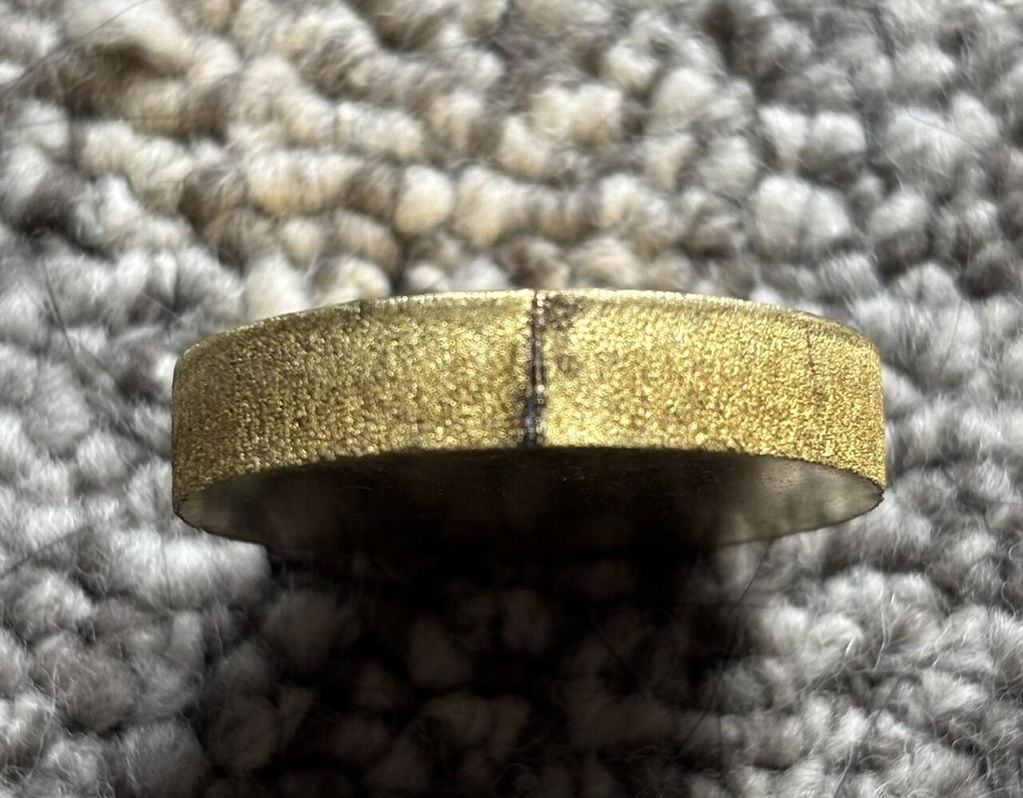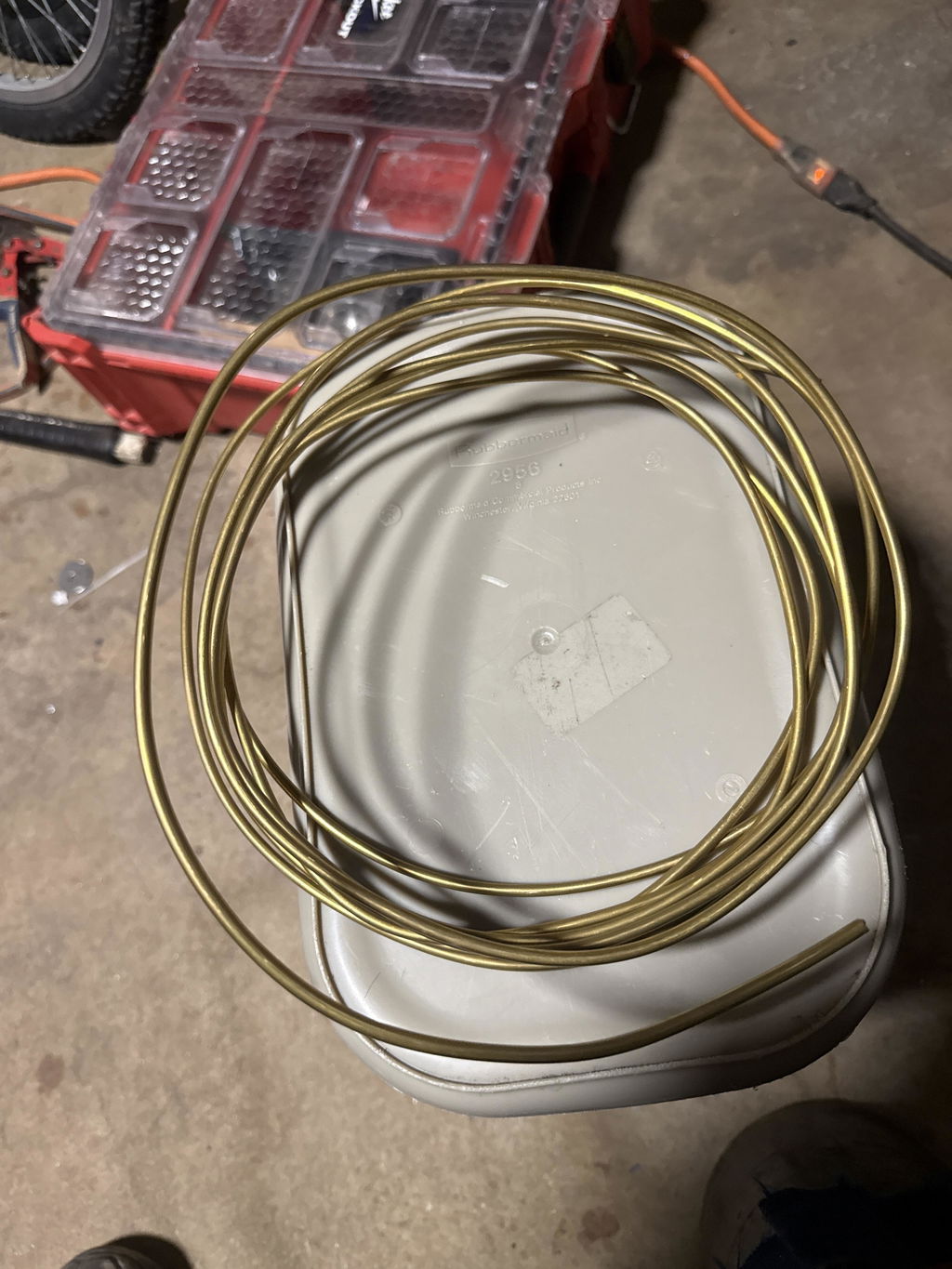

The chain is fine...but I ordered the wrong size. Nine links of the chain I ordered equals six of the size I wanted. My error...
How can I straighten out the springs? I can't use them coil uo as is.
Your payment information is processed securely. We do not store credit card details nor have access to your credit card information.
Get fitment advice & recommendations
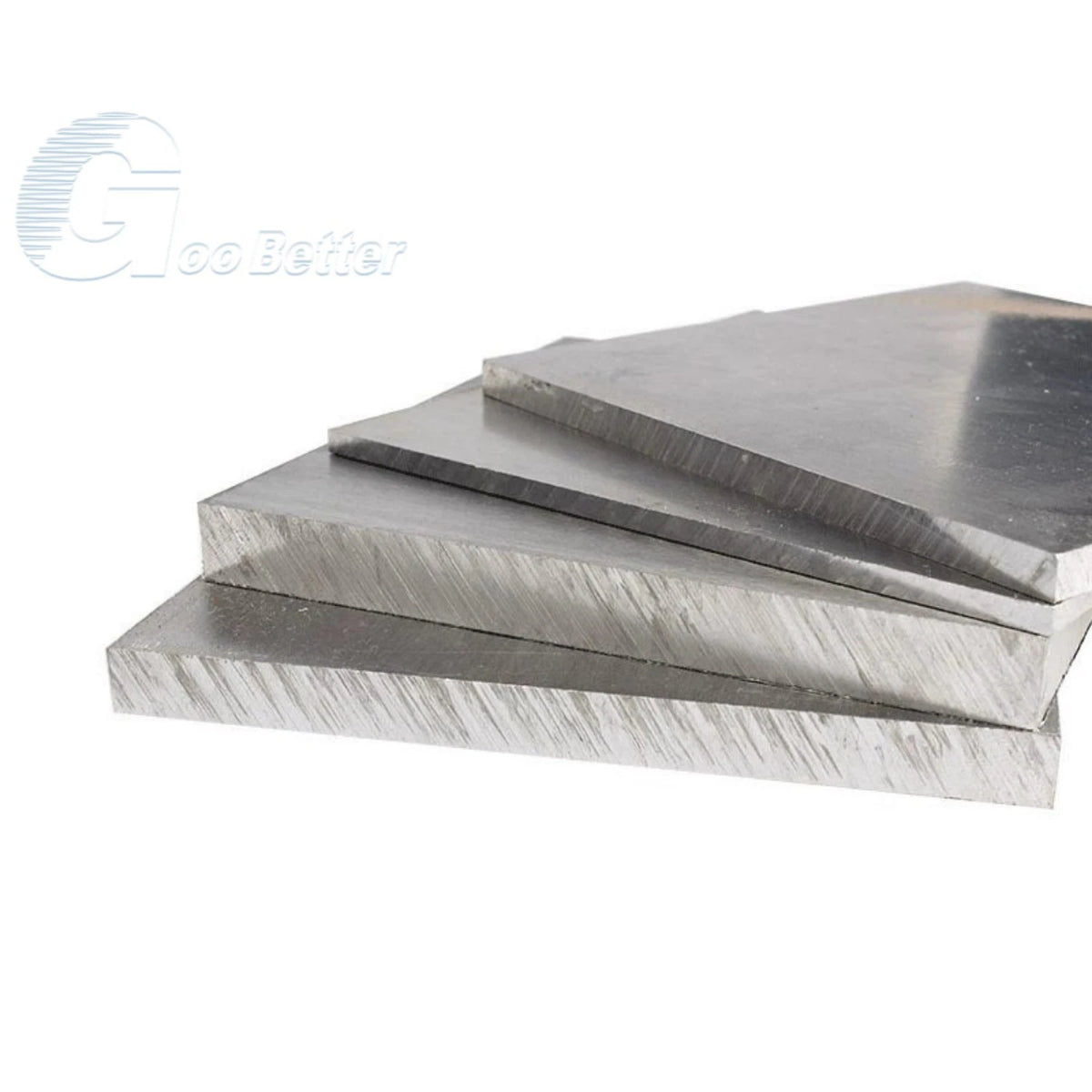
When your project demands a material that refuses to corrode, flex under load, or add unnecessary weight, standard steel and aluminium fall short. Engineers, makers, and researchers who need reliable flat titanium stock — cut to an exact size without minimum-order headaches — will find this listing covers the widest practical range of grades and dimensions in one place.
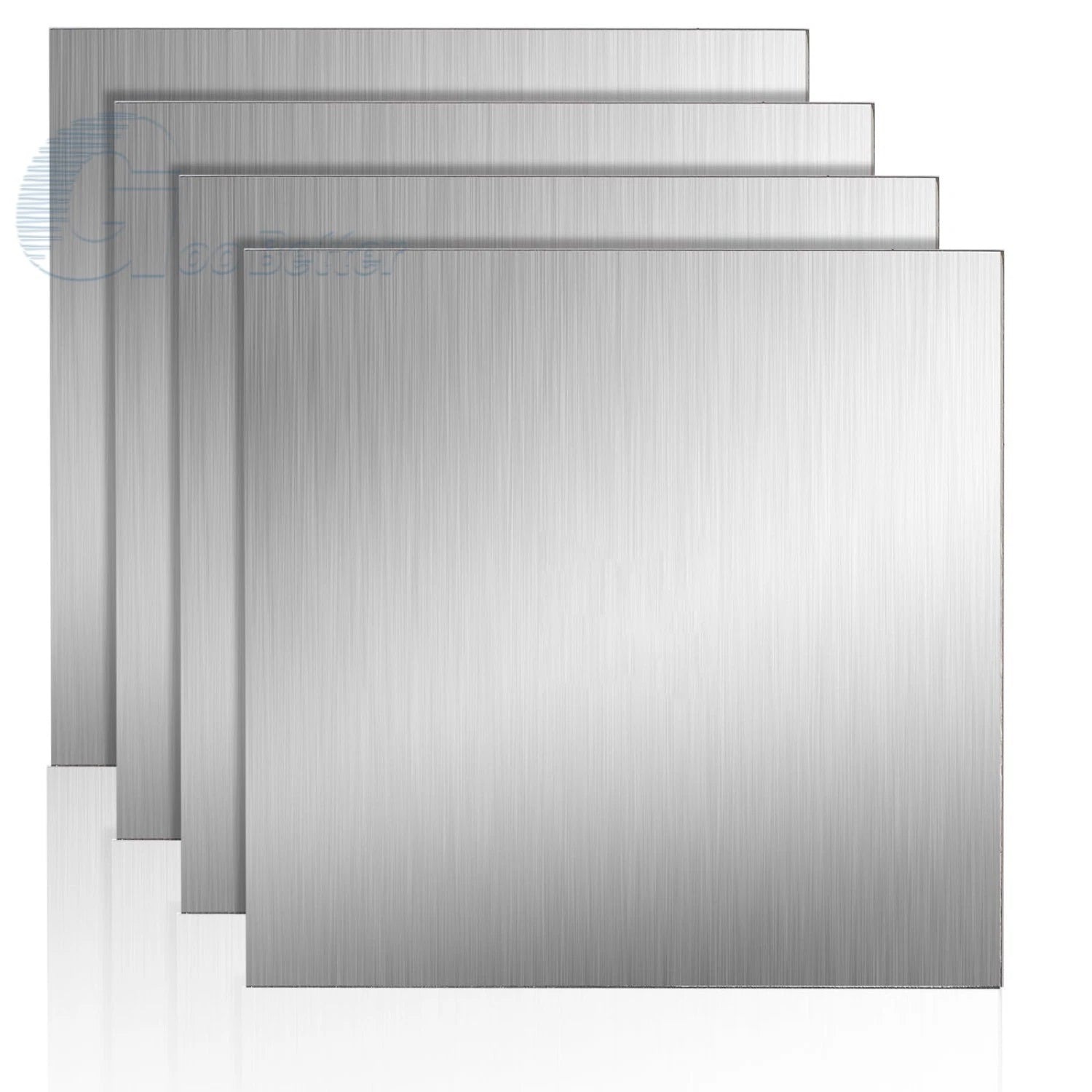
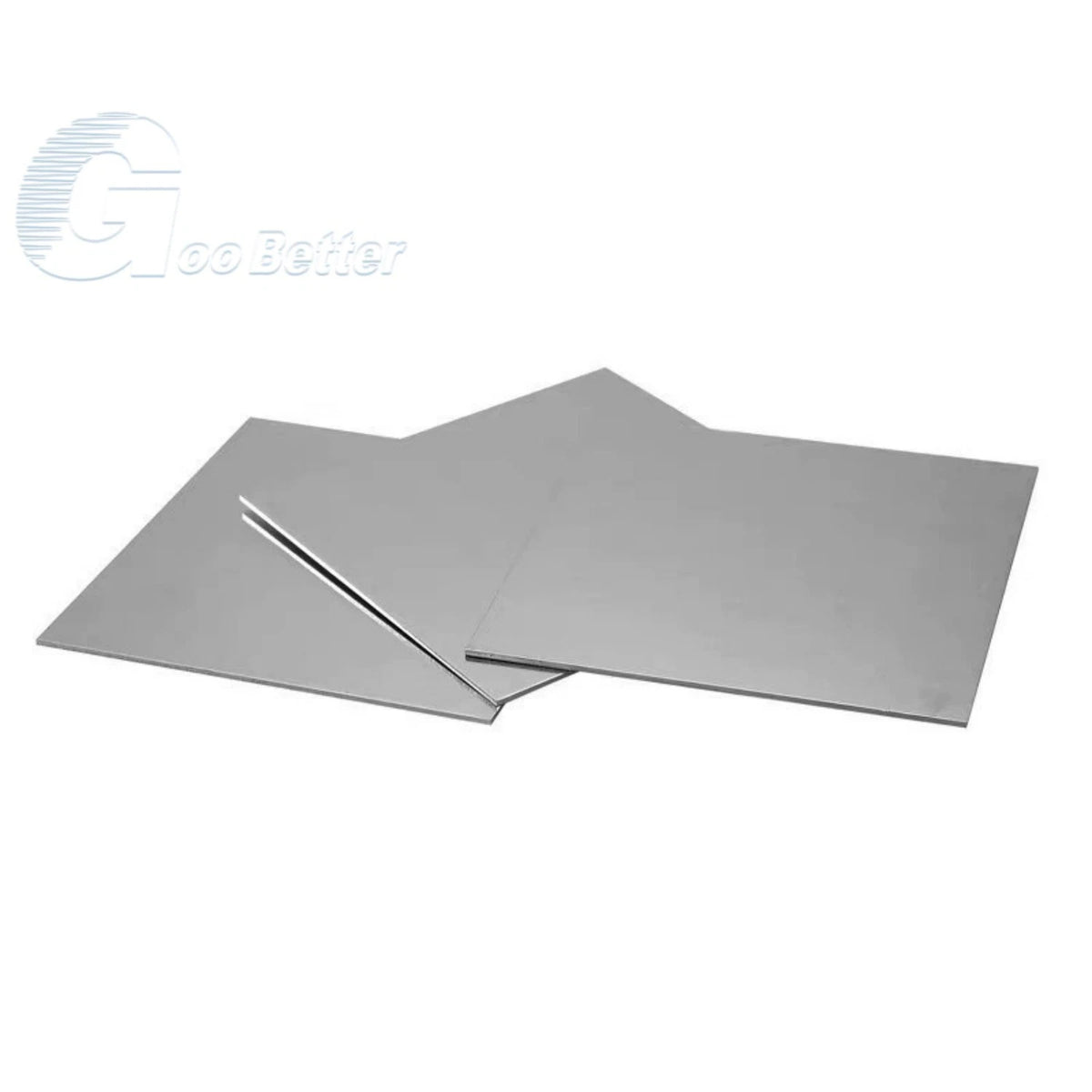
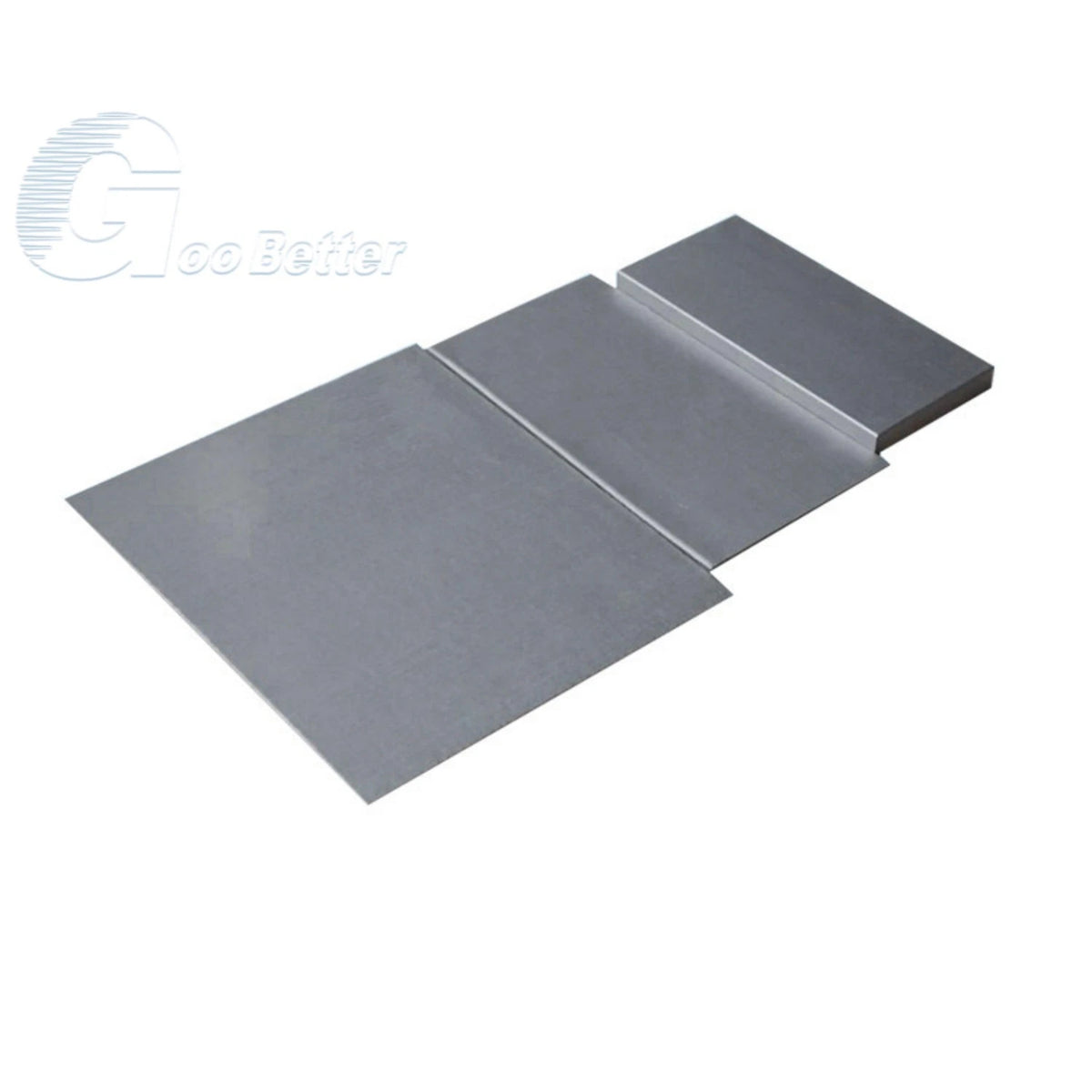
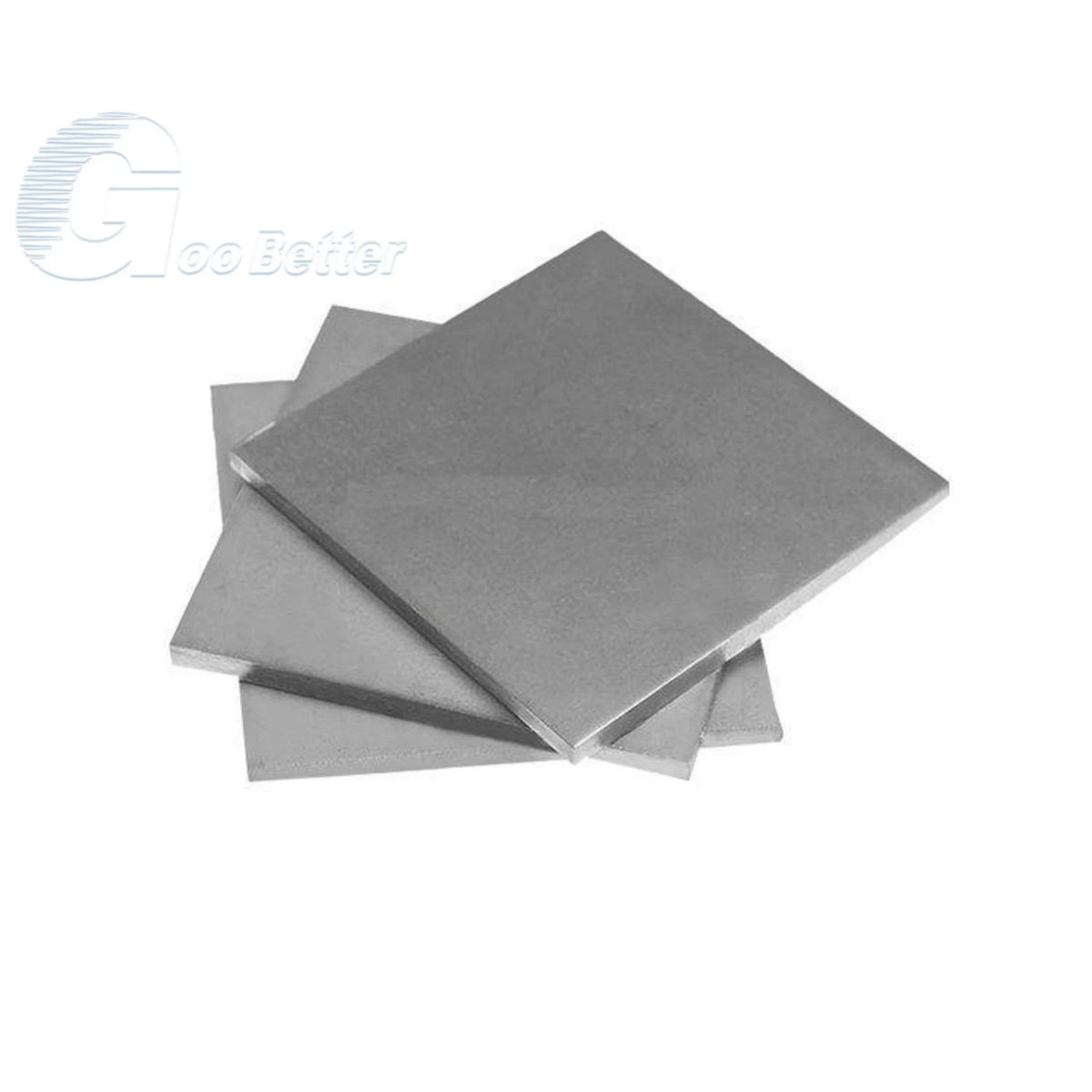
This listing covers three titanium alloy grades — Top-TC4 (Ti-6Al-4V ELI), TA1 (commercially pure Grade 1), and TA2 (commercially pure Grade 2) — alongside standard TC4 (Ti-6Al-4V). Thickness options span 0.05 mm to 10 mm (approximately 0.002 in to 0.394 in), and sheet sizes range from 100 × 100 mm (3.94 × 3.94 in) up to 200 × 300 mm (7.87 × 11.81 in). Surface finish is mill-rolled with a clean, consistent appearance.
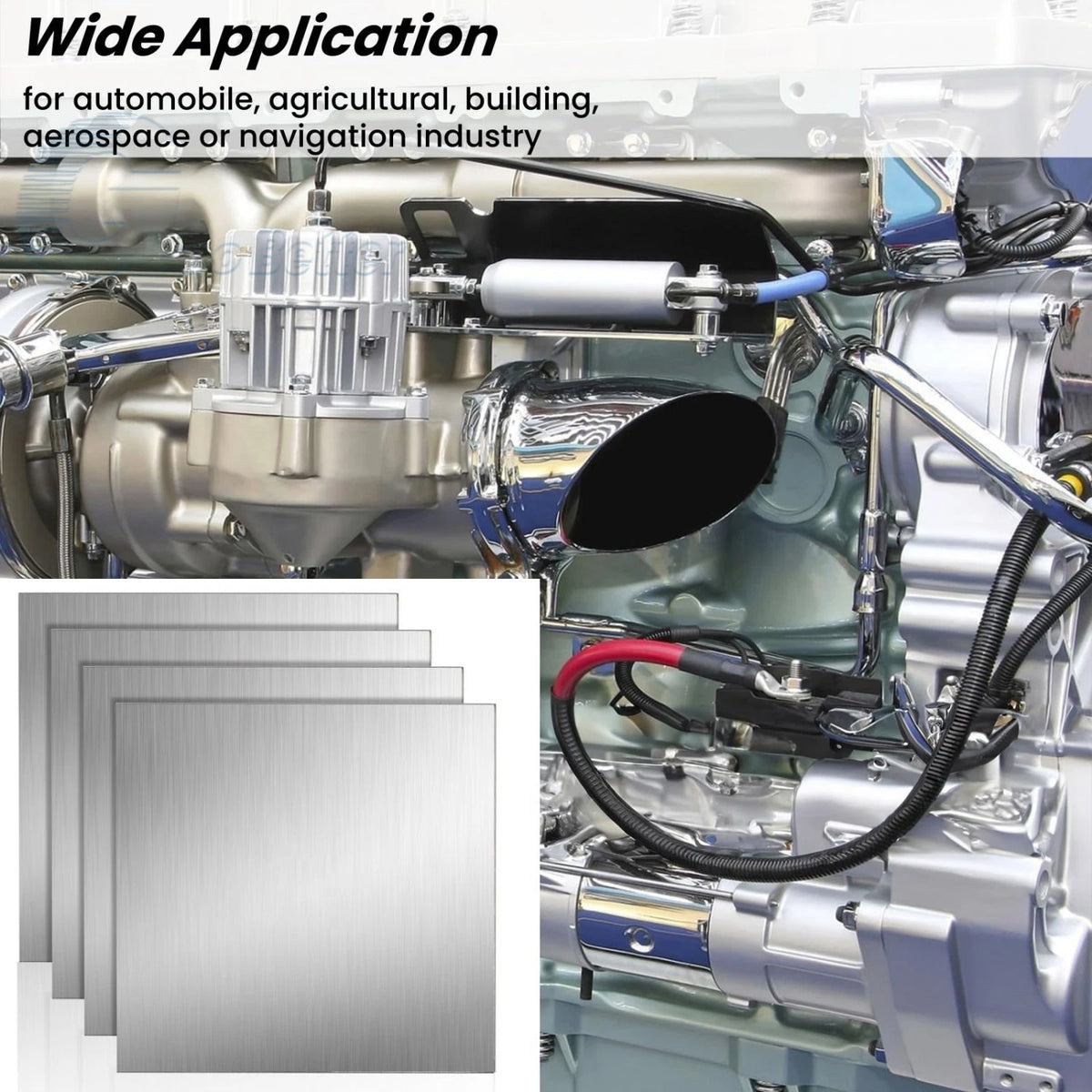
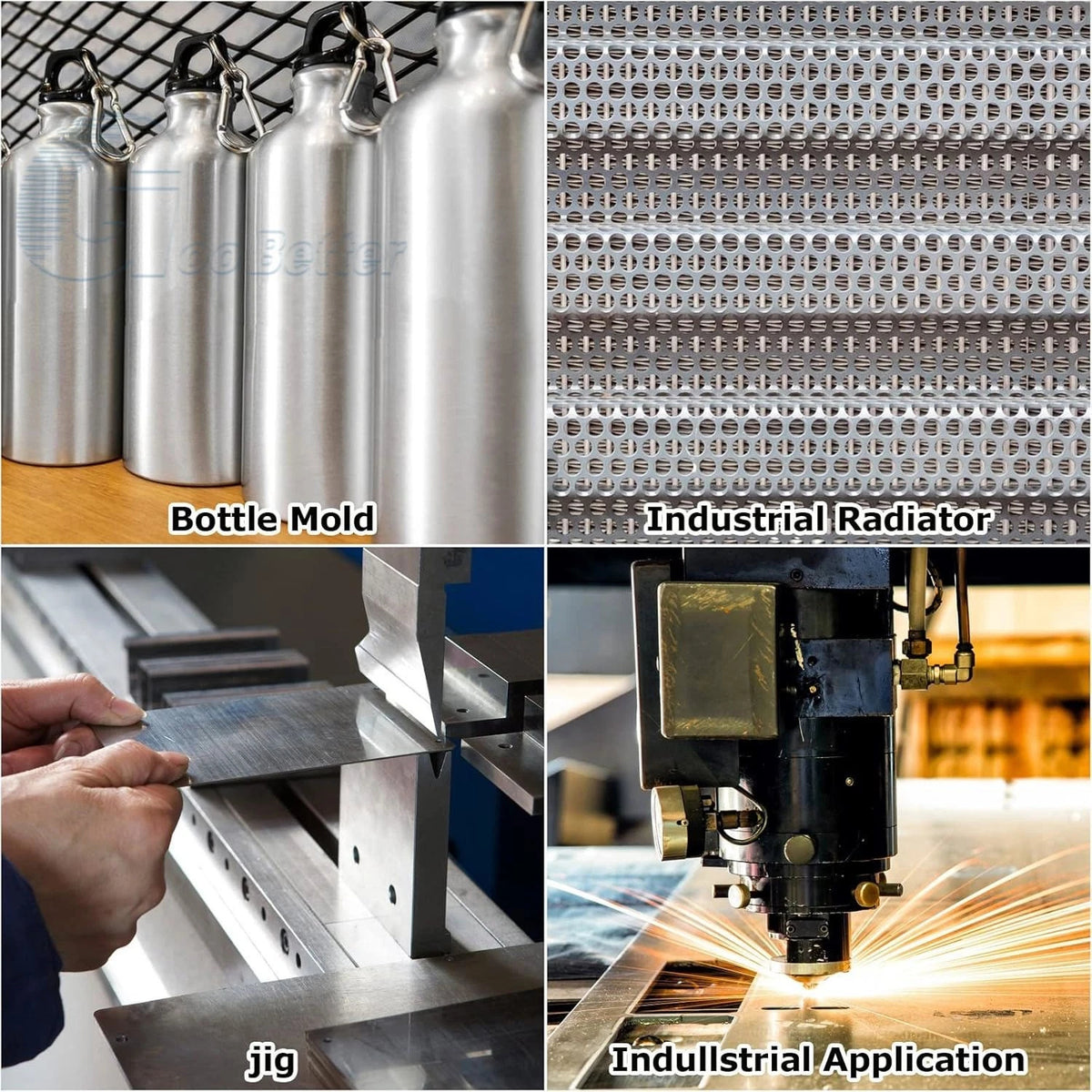
Typical use cases include aerospace bracket prototyping and lightweight structural panels, chemical and marine hardware where titanium sheet corrosion resistance is critical, and laboratory or medical-device fabrication requiring biocompatible titanium flat plate. The broad thickness range also makes these sheets suitable for custom knife blanks, watch components, and RC/drone frame stock.
Choose from Top-TC4 (Ti-6Al-4V ELI), standard TC4 (Ti-6Al-4V), TA1 (Grade 1 CP), or TA2 (Grade 2 CP) to match your exact strength, formability, and biocompatibility requirements.
Thickness options from 0.05 mm to 10 mm let you select the precise stock needed — from ultra-thin foil-like sheets to robust 10 mm plate — without ordering custom cuts elsewhere.
Titanium's native oxide layer provides outstanding resistance to saltwater, acids, and oxidising environments, making these plates suitable for marine, chemical, and outdoor applications.
TC4 grade delivers tensile strength typically 895–1000 MPa at roughly 60% of steel's density, enabling lighter assemblies without sacrificing structural integrity.
Six pre-cut size combinations — from 100 × 100 mm to 200 × 300 mm — reduce waste and machining time compared to ordering full-sheet stock and cutting down yourself.
TA1 and TA2 grades meet biocompatibility standards suitable for medical and dental prototyping, and all grades are non-magnetic — ideal for sensitive electronic or MRI-adjacent environments.
| Material Grades | Top-TC4 (Ti-6Al-4V ELI), TC4 (Ti-6Al-4V), TA1 (Grade 1 CP), TA2 (Grade 2 CP) |
|---|---|
| Thickness Range | 0.05 mm – 10 mm (0.002 in – 0.394 in) |
| Sheet Sizes (W × L) | 100×100, 100×150, 100×200, 150×150, 200×200, 200×300 mm |
| Surface Finish | Mill-rolled (clean, consistent surface) |
| Density | ~4.43 g/cm³ (TC4/Top-TC4); ~4.51 g/cm³ (TA1/TA2) |
| Tensile Strength (typical) | TC4/Top-TC4: 895–1000 MPa; TA1: ≥240 MPa; TA2: ≥345 MPa |
| Melting Point | ~1668 °C (3034 °F) |
| Corrosion Resistance | Excellent — saltwater, acids, oxidising environments |
| Magnetic Properties | Non-magnetic |
| Biocompatibility | TA1 & TA2 grades suitable for medical/dental prototyping |
| Tolerance (thickness) | See variant options |
| Quantity per Order | 1 piece per variant selected |
TC4 (Ti-6Al-4V) is the most widely used titanium alloy, offering a strong balance of strength and machinability for structural parts. Top-TC4 is the ELI (Extra Low Interstitial) variant with tighter purity controls, preferred for medical implants and fracture-critical aerospace components. TA1 (Grade 1 CP) is the softest and most formable — ideal for deep drawing, welding, and applications where ductility matters more than strength. TA2 (Grade 2 CP) offers slightly higher strength than TA1 while retaining good weldability and corrosion resistance, making it the most common commercially pure grade for industrial use.
For thin shims, gaskets, or foil-like applications, 0.05–0.3 mm is appropriate. Structural brackets, enclosures, and drone frames typically use 0.5–2 mm. Knife blanks and tooling fixtures often call for 2–5 mm. Heavier structural plate for jigs, fixtures, or load-bearing parts generally starts at 5 mm and above. If you are unsure, contact us to confirm the right thickness for your load and fabrication method.
Thinner sheets (under 1 mm) can be cut with sharp aviation snips or a fine-tooth metal blade. Thicker plates require a bandsaw, angle grinder with a metal-cutting disc, or waterjet/laser cutting for clean edges. Titanium work-hardens quickly, so use sharp tooling, low speeds, and adequate lubrication when drilling or milling. Avoid dry cutting at high speeds, which can cause galling and tool wear.
Titanium generally outperforms 316L stainless steel in chloride-rich environments (seawater, salt spray) and many acidic media. Its passive oxide layer reforms rapidly even when scratched, providing self-healing protection. For most marine, chemical processing, and outdoor applications, titanium sheet offers superior long-term corrosion resistance without the need for coatings or plating.
Yes. TA1 and TA2 are highly weldable using TIG (GTAW) welding with argon shielding gas. TC4 can also be TIG welded but requires careful heat management and post-weld stress relief for structural applications. All titanium welding must be performed with thorough shielding of the weld zone and heat-affected area to prevent oxygen and nitrogen contamination, which causes embrittlement.
TA1 and TA2 commercially pure titanium grades are widely used in medical device prototyping, dental instruments, and food-processing equipment due to their biocompatibility and non-reactivity. TC4 and Top-TC4 are also used in implant applications (Top-TC4 ELI is specifically designed for this). For regulated medical or food-contact end uses, please verify that the material meets the specific standards required by your application and jurisdiction.
Select the next size up from your required finished dimension to allow for cutting and edge cleanup. For example, if you need a 90 × 90 mm piece, the 100 × 100 mm option gives you sufficient material. If none of the listed sizes suit your project, contact us — we may be able to accommodate custom cut requests for larger quantities.