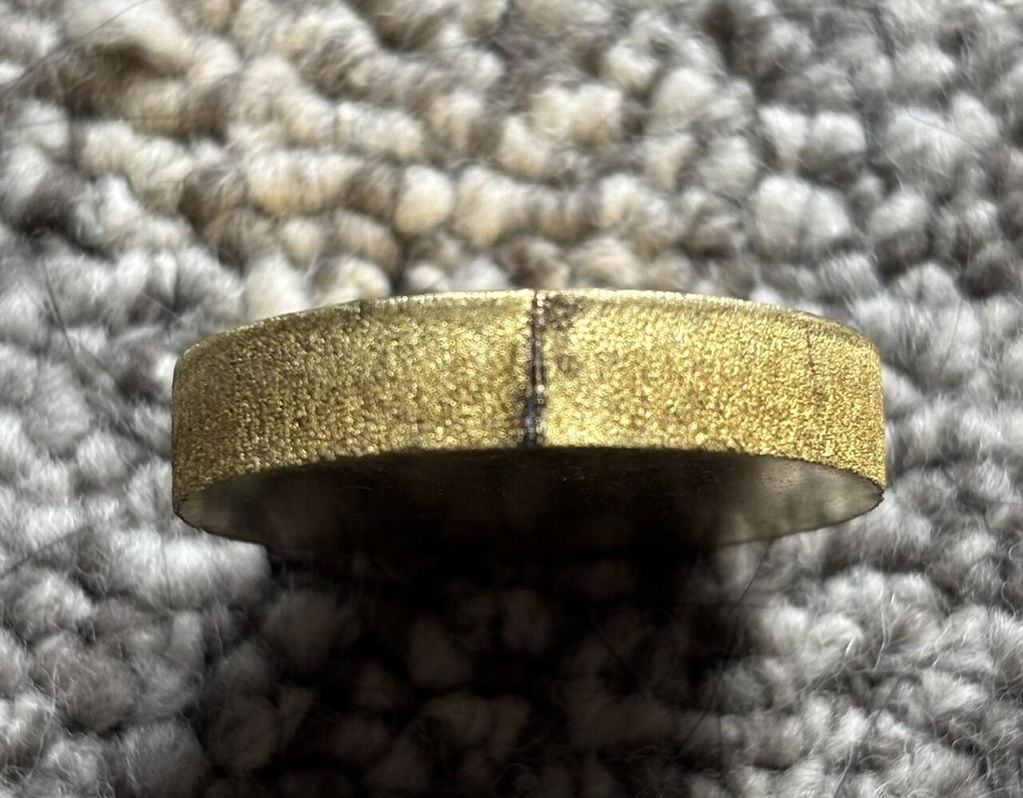
The chain is fine...but I ordered the wrong size. Nine links of the chain I ordered equals six of the size I wanted. My error...
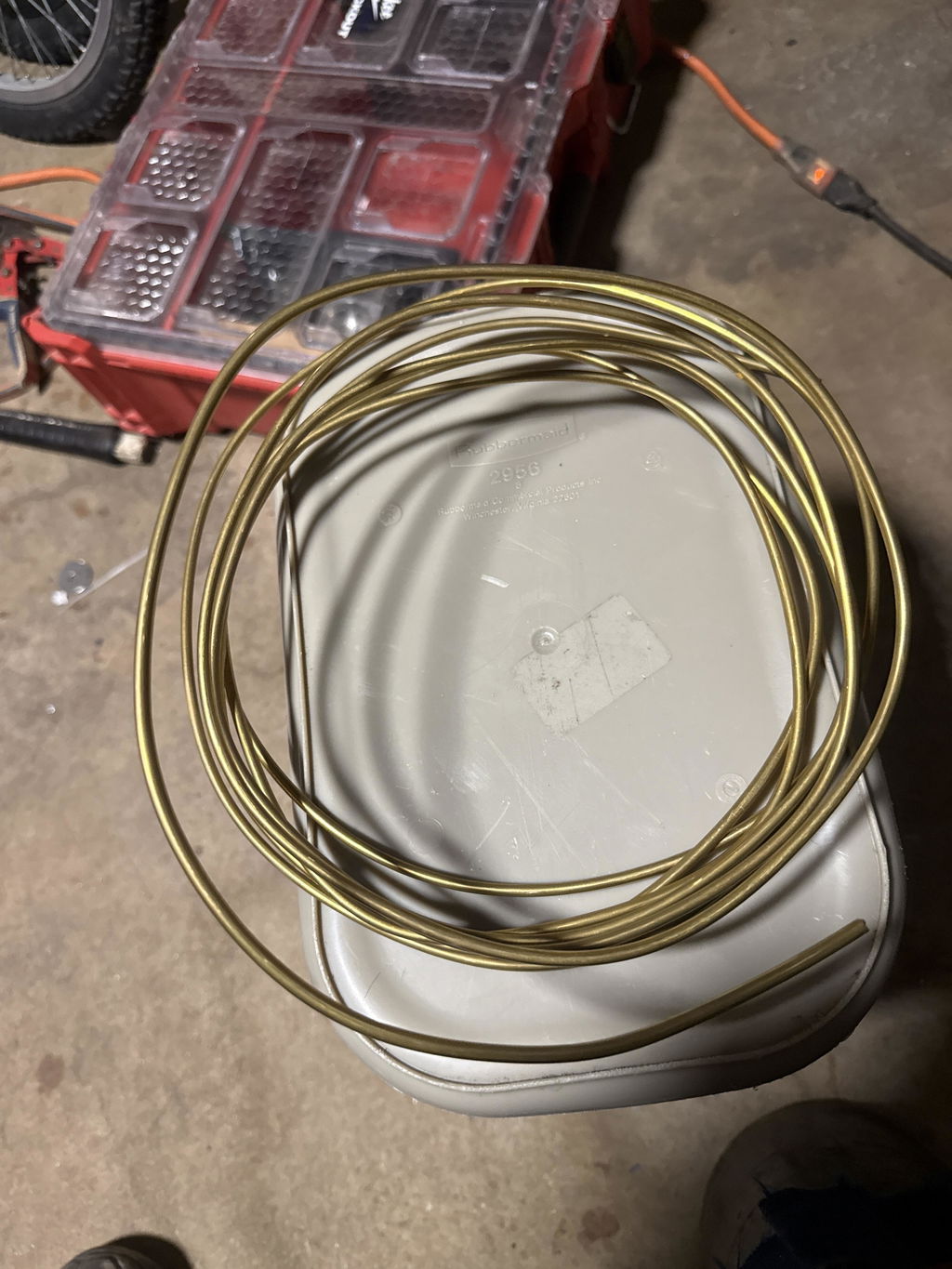
How can I straighten out the springs? I can't use them coil uo as is.
Your payment information is processed securely. We do not store credit card details nor have access to your credit card information.
Get fitment advice & recommendations
When standard steel balls corrode, seize, or contaminate sensitive processes, engineers and makers turn to zirconia ceramic. Whether you're rebuilding a pump, upgrading a spindle, or sourcing replacement balls for food-grade or chemical-handling equipment, ZrO2 ceramic balls deliver the dimensional stability and chemical inertness that steel simply cannot match.
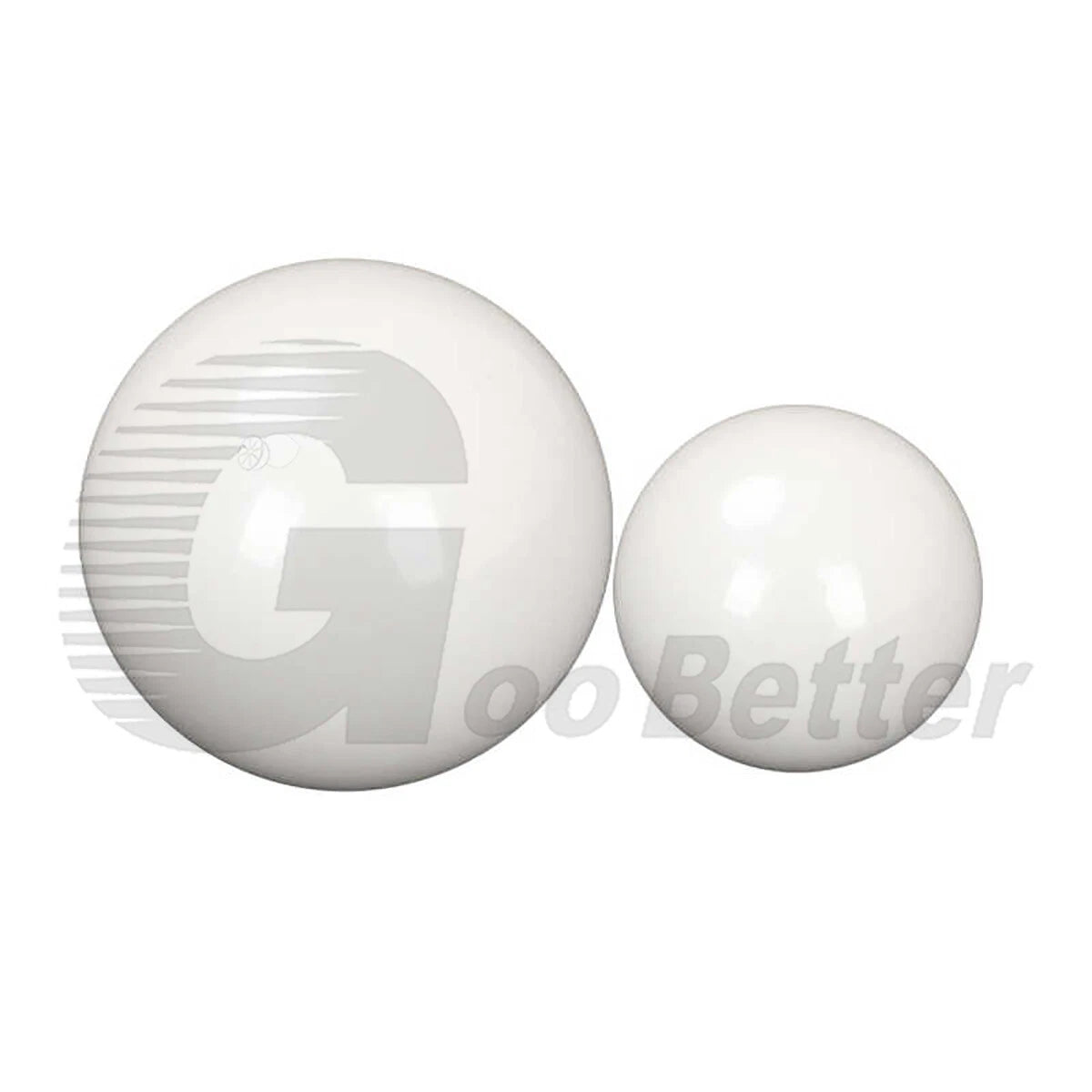
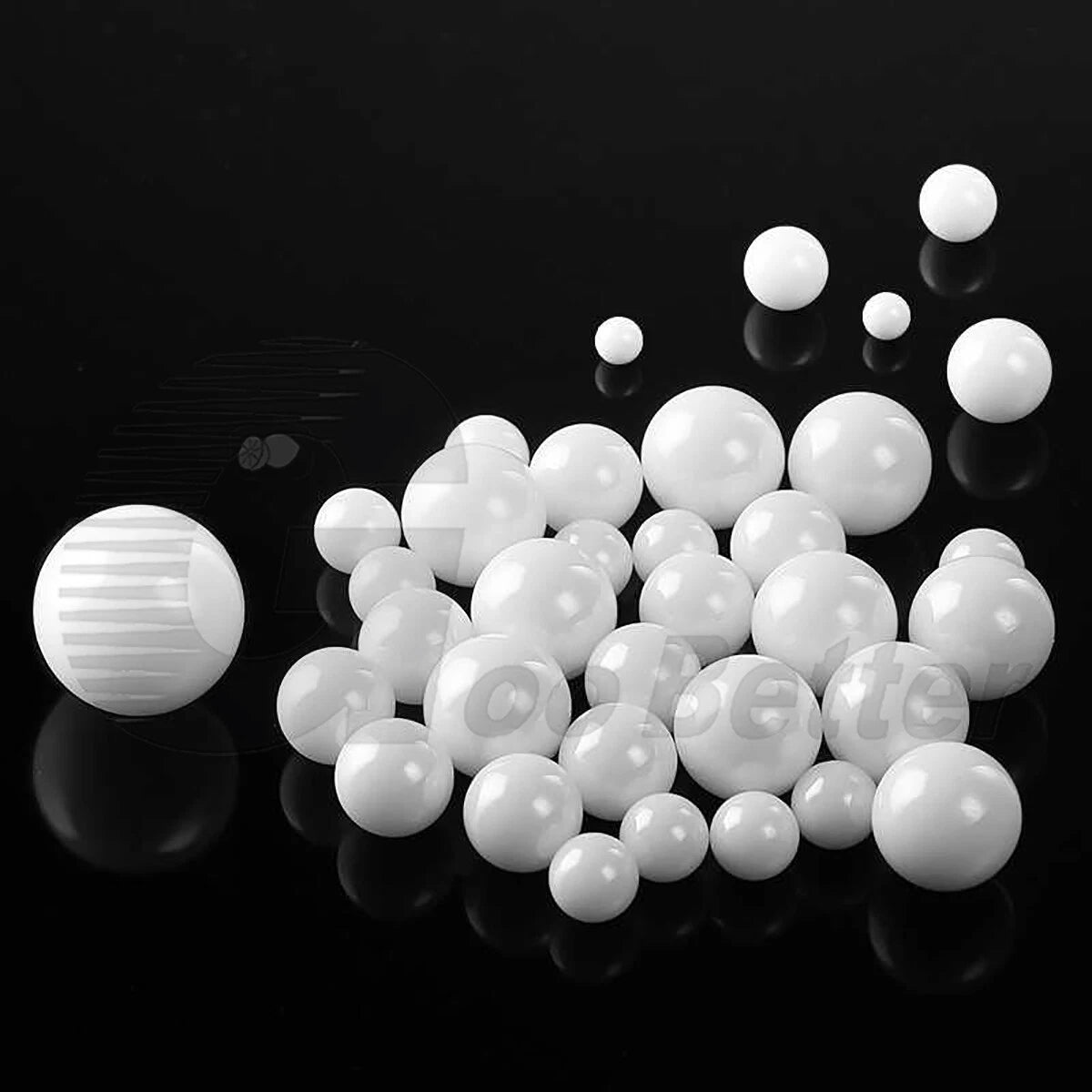
These G10-grade ZrO2 (zirconium dioxide) solid round balls are manufactured to tight sphericity tolerances. Available in a wide diameter range from 1 mm (approx. 0.039 in) up to 31.75 mm (approx. 1.25 in), with both metric and inch-fractional sizes covered. Each ball is a dense, solid ceramic — no hollow core, no coating — with a smooth, lapped surface finish consistent with G10 precision grade.
Typical use cases include precision bearing replacement in corrosive-fluid pumps, non-magnetic positioning fixtures for MRI-adjacent equipment, check-valve seats in chemical dosing systems, and grinding media for laboratory ball mills. The broad size selection also makes these a reliable source for DIY linear motion builds and custom bearing assemblies where off-the-shelf steel balls are unsuitable.
Manufactured to ABMA/ISO G10 sphericity and surface finish standards, ensuring consistent roundness and low runout in precision bearing applications.
ZrO2 zirconia resists acids, alkalis, and most organic solvents, making these balls suitable for chemical pumps, dosing valves, and food-contact machinery.
Zero magnetic permeability and electrical insulation make these ideal for MRI-adjacent fixtures, semiconductor handling, and high-voltage isolation applications.
ZrO2 maintains structural integrity at temperatures typically up to 400 °C (752 °F), outperforming polymer and standard bearing-steel alternatives in hot environments.
57 diameter options spanning metric and inch-fractional sizes (1 mm through 31.75 mm / 0.039 in through 1.25 in) cover the vast majority of standard bearing and valve seat specifications.
Available in 1, 2, 5, 10, 20, and 50-piece packs — order the exact quantity you need for prototyping, repair, or small-batch production without overstocking.
| Material | Zirconium Dioxide (ZrO2 / Zirconia) |
|---|---|
| Grade | G10 |
| Diameter Range | 1 mm – 31.75 mm (0.039 in – 1.250 in) |
| Available Diameters | See variant options |
| Pack Quantities | 1 / 2 / 5 / 10 / 20 / 50 PCS |
| Density | Typically 5.9–6.1 g/cm³ |
| Hardness (Vickers) | Typically 1,100–1,300 HV |
| Max Operating Temperature | Typically up to 400 °C (752 °F) |
| Magnetic Properties | Non-magnetic |
| Electrical Properties | Non-conductive (insulating) |
| Surface Finish | Lapped, consistent with G10 grade |
| Chemical Resistance | Resistant to acids, alkalis, and most organic solvents |
| Ball Type | Solid (no hollow core, no coating) |
| Weight per Ball | See variant options |
Match the ball diameter to the race or seat bore specification in your equipment's service manual or engineering drawing. For standard bearing replacements, the ball diameter is typically stamped on the bearing shield or listed in the bearing's part number datasheet. If you're replacing check-valve seats, measure the existing ball with a micrometer. We offer both metric (e.g., 1 mm, 2 mm, 3 mm … 30 mm) and inch-fractional sizes (e.g., 1/16 in = 1.588 mm, 3/32 in = 2.381 mm) to cover most standard specifications.
G10 ZrO2 zirconia has a Vickers hardness of typically 1,100–1,300 HV and a flexural strength of approximately 900–1,200 MPa, making it significantly harder than most steels. However, ceramic is brittle under impact or point-load shock. These balls are well-suited for smooth rolling contact, valve seats, and precision positioning — but are not recommended for applications with heavy shock loads or hammer-type impacts where toughened steel or silicon nitride (Si₃N₄) would be more appropriate.
ZrO2 is chemically inert to the vast majority of acids (including hydrochloric and sulfuric acid at moderate concentrations), alkalis, and organic solvents that would corrode even 316 stainless steel over time. The only common exceptions are concentrated hydrofluoric acid and strong caustic solutions at elevated temperatures. For seawater, chlorinated water, and most industrial chemical environments, ZrO2 outperforms stainless steel significantly.
ZrO2 zirconia is widely used in food-processing and pharmaceutical machinery because it is non-toxic, non-reactive, and does not leach metallic ions into process fluids. It is also non-magnetic, which is important for metal-detection systems on food lines. If your application requires a specific regulatory certification (e.g., FDA, EU 10/2011), please contact us to confirm compliance documentation for your specific use case.
Yes — ZrO2 ceramic balls can be used as drop-in replacements in standard steel or stainless steel bearing races, provided the diameter matches exactly. The G10 grade ensures the sphericity and surface finish are within the tolerances that standard races are designed for. Note that ceramic balls are harder than steel races, so in high-load, high-cycle applications the race may wear faster than with matched steel balls. For full ceramic bearing assemblies, pair with ceramic or hardened steel races.
Ball grade refers to the maximum allowable deviation from a perfect sphere. G5 is tighter (±0.13 µm) and used in ultra-precision spindles and metrology. G10 (±0.25 µm) covers the majority of precision bearing, pump, and valve applications at a more accessible price point. G25 (±0.63 µm) is suitable for general-purpose and less critical applications. For most DIY, repair, and industrial replacement scenarios, G10 provides the right balance of precision and cost.
Ceramic balls are hard but brittle. Avoid dropping them onto hard surfaces or allowing them to collide at speed. Store in the original packaging or a padded container, separated from metal tools and other hard objects. When installing, use plastic or rubber-tipped tools rather than metal punches. Clean with isopropyl alcohol or mild detergent — avoid abrasive cloths that could scratch the lapped surface finish.