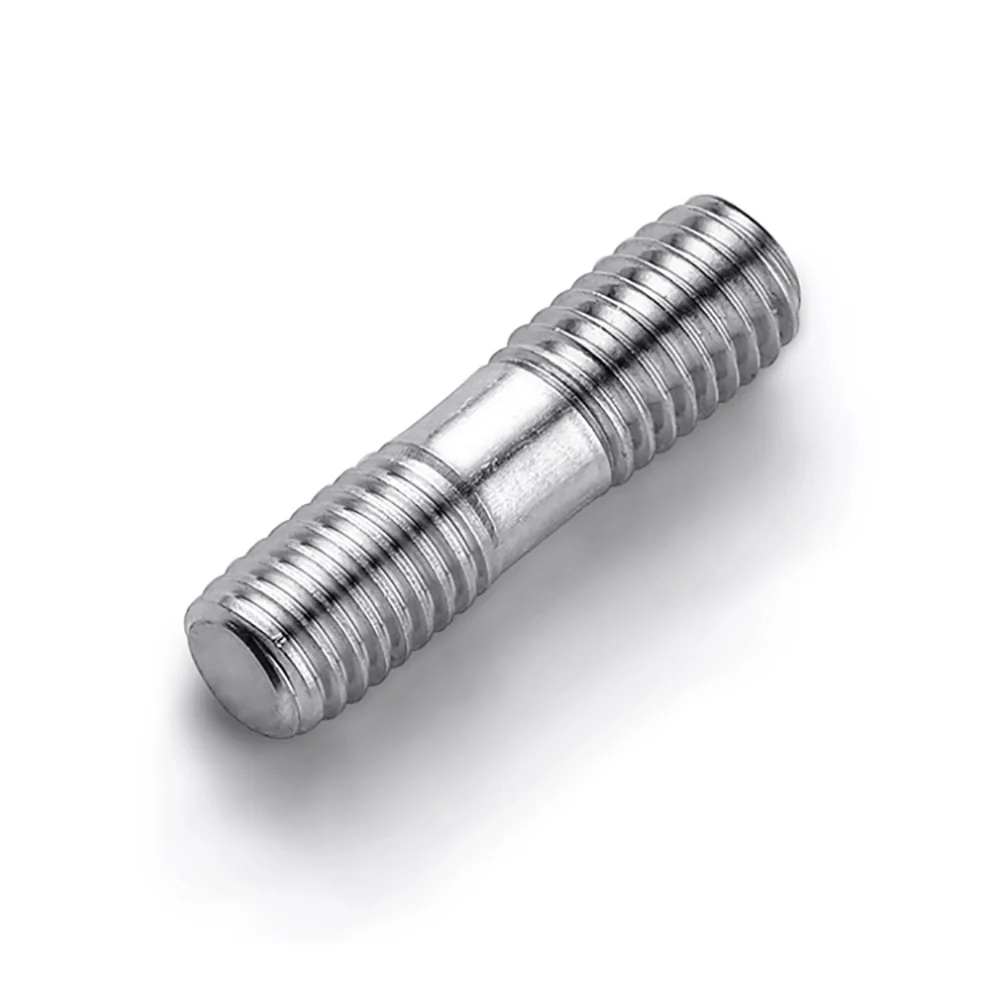
Zinc-Plated Steel Hanger Bolts for Furniture Leg Mounting and General Joinery
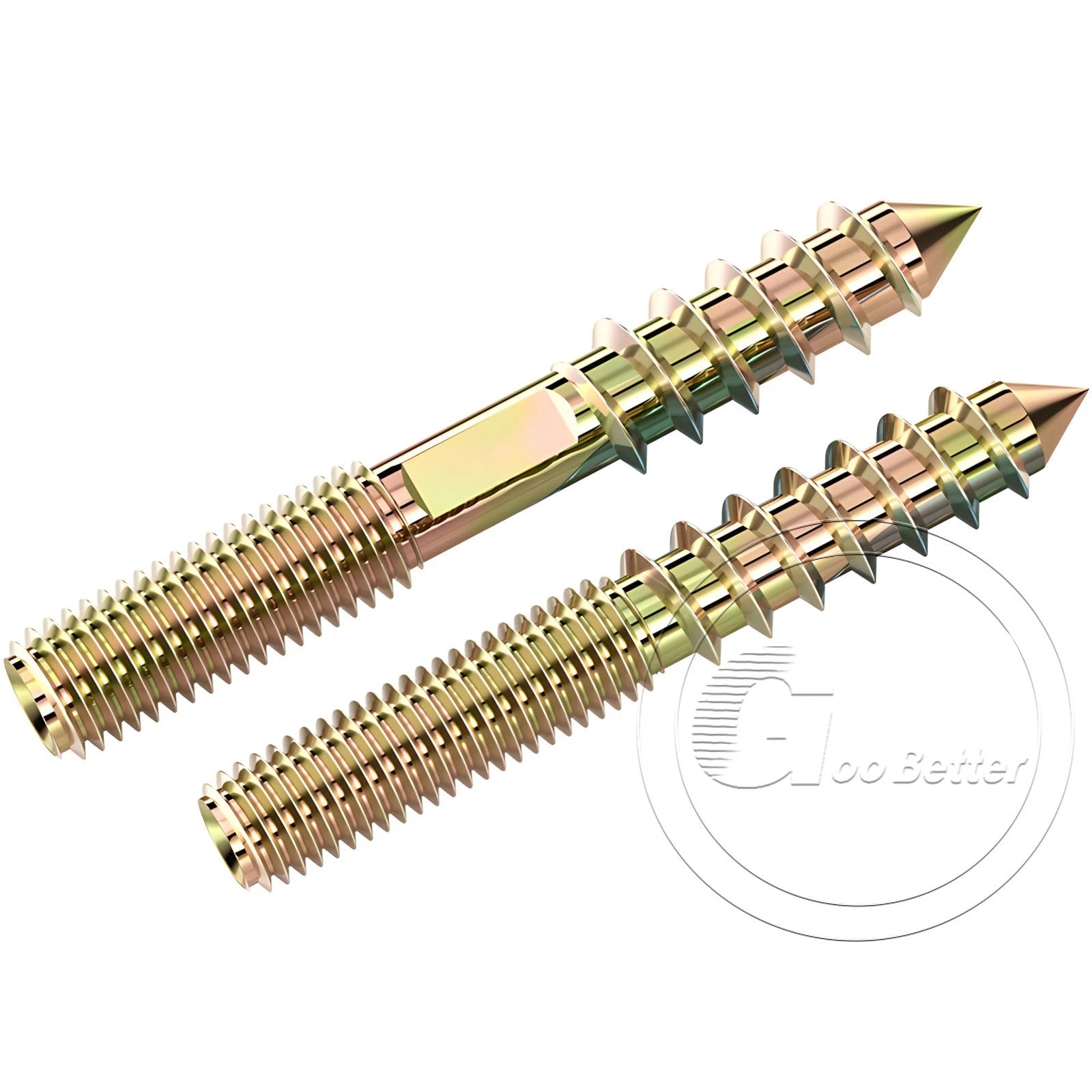
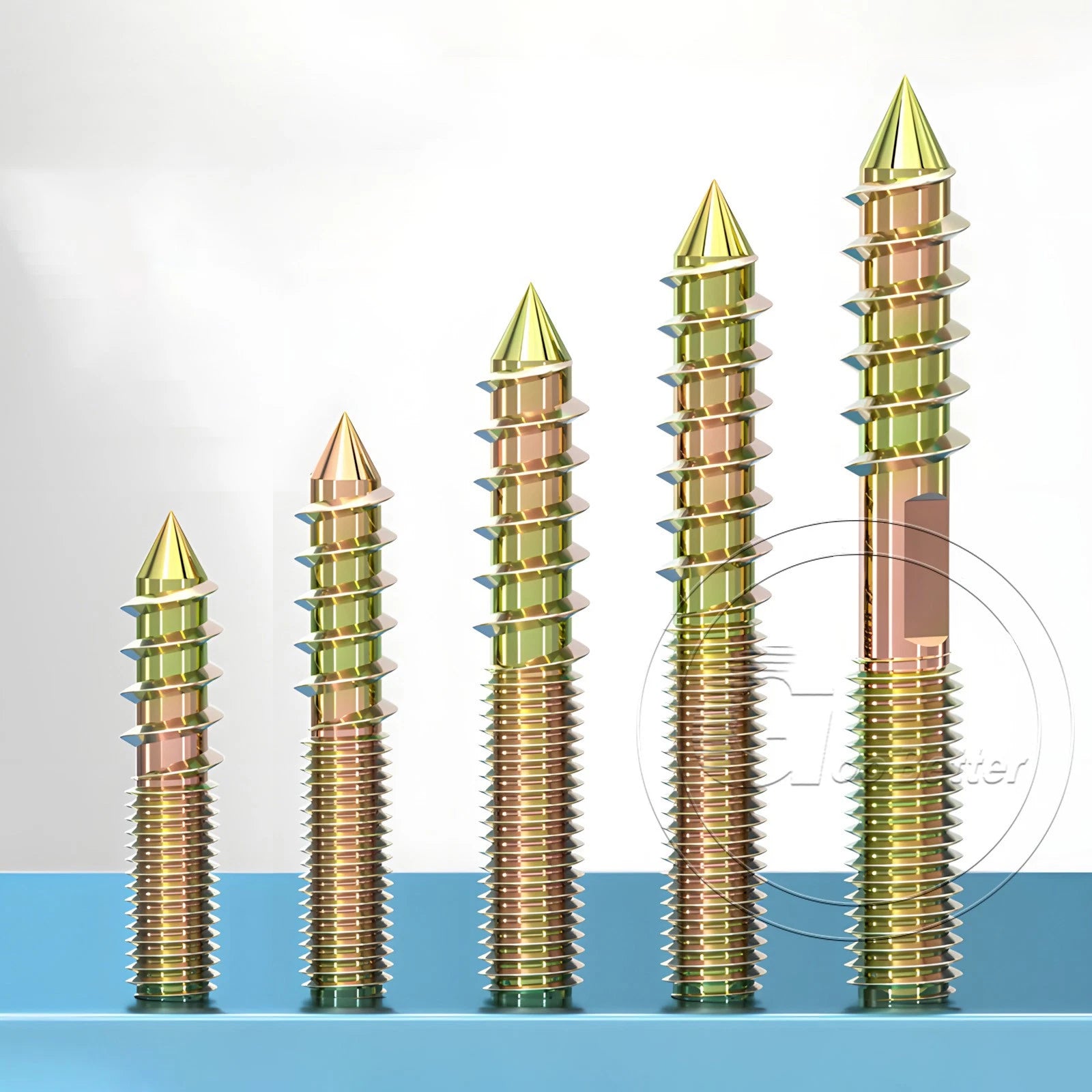
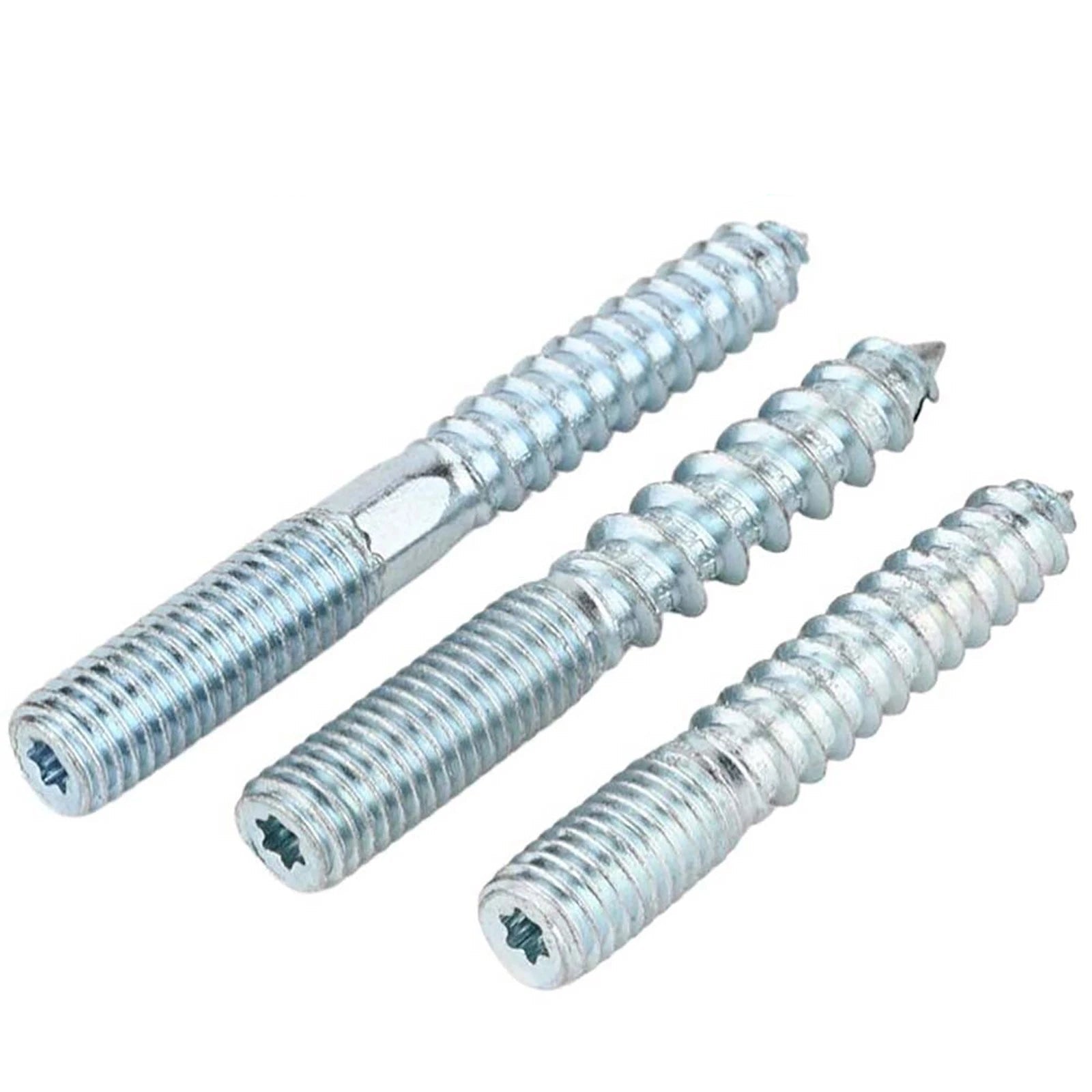
Zinc-plated carbon steel hanger bolts are the practical, cost-effective choice for indoor furniture assembly and general woodworking joinery. Available in M6, M8, and M10 with a Torx drive configuration, these headless fasteners drive cleanly into pre-drilled pilot holes and leave a machine-thread stub ready to accept a nut, washer, or threaded insert. Use them to attach wood table legs to steel hairpin frames, mount wood shelf brackets to metal wall standards, or connect wood aprons to metal furniture bases in workshop and home furniture builds.
304 Stainless Steel Hanger Bolts for Indoor Furniture and Light Outdoor Use
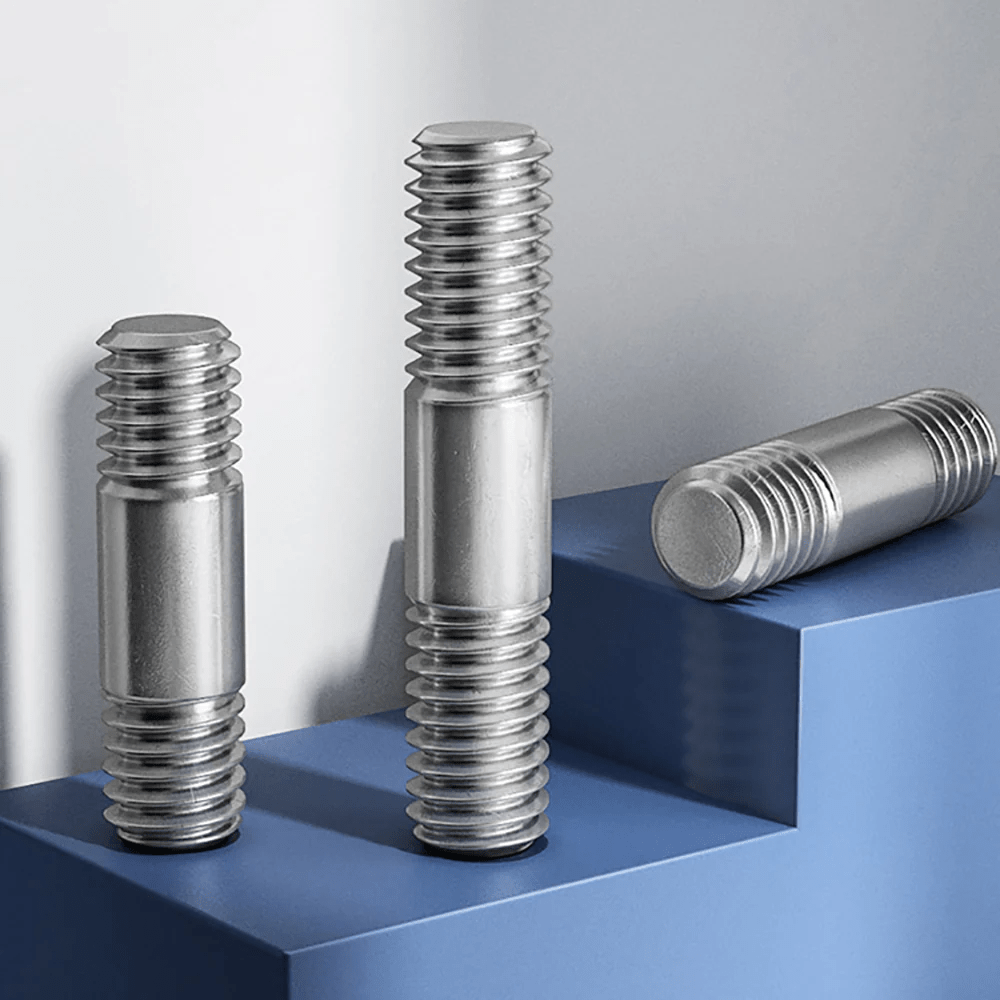
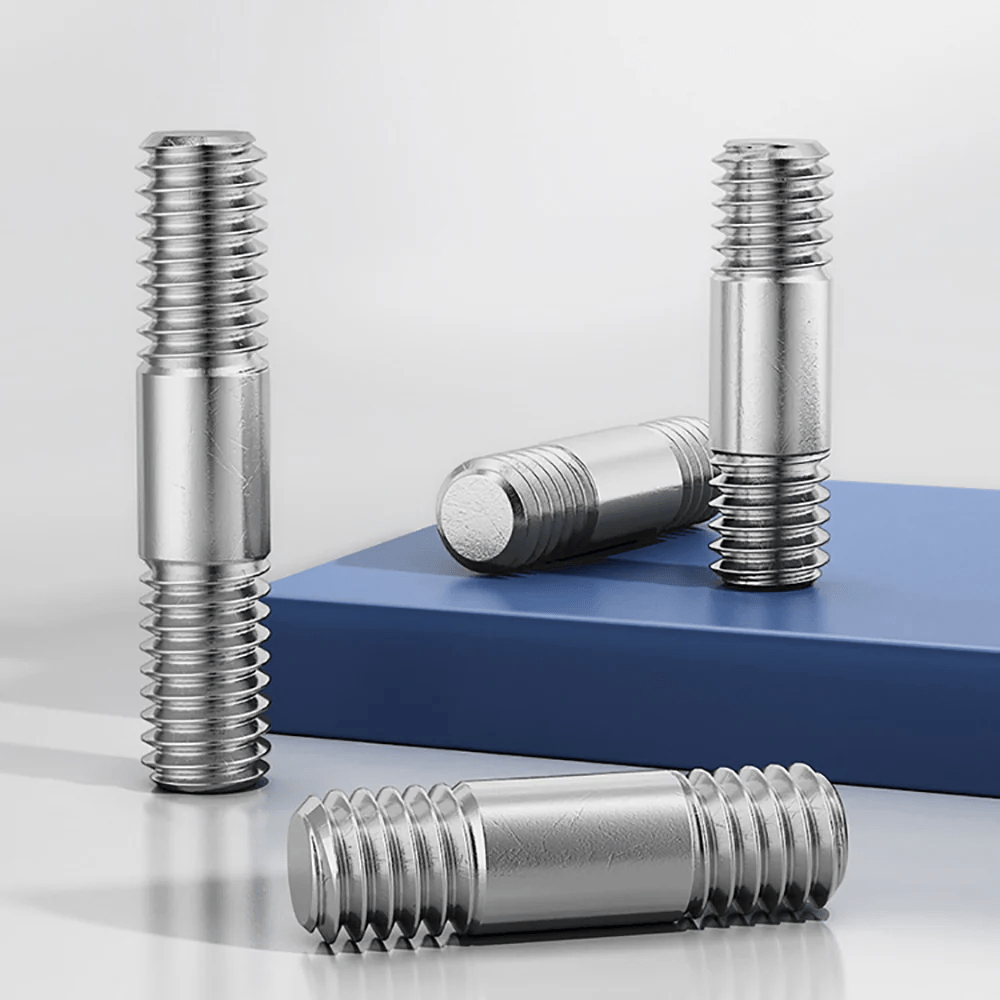
304 stainless steel hanger bolts offer a significant step up in corrosion resistance over zinc-plated carbon steel without the premium cost of 316 stainless. They're the right choice for furniture that will see occasional moisture exposure — outdoor-covered patio furniture, bathroom vanity legs, kitchen island bases, and workshop benches in humid environments. Available in M3 through M12, these double-ended fasteners provide reliable thread engagement in both softwood and hardwood with consistent dimensional accuracy across the size range.
316 Stainless Steel Hanger Bolts for Marine, Coastal, and High-Humidity Applications
316 stainless steel is the material of choice when salt air, salt water, or aggressive chemical environments are a factor. Unlike 304 stainless, 316 contains molybdenum, which dramatically improves resistance to chloride-induced pitting corrosion at the thread roots — the most vulnerable point on any fastener in a marine environment. Use 316 stainless hanger bolts for dock furniture, boat interior joinery, coastal outdoor installations, and any application where the fastener will be in direct or indirect contact with salt water or salt air over an extended service life.
Galvanized Hanger Bolts for Pressure-Treated Lumber and Outdoor Structural Connections
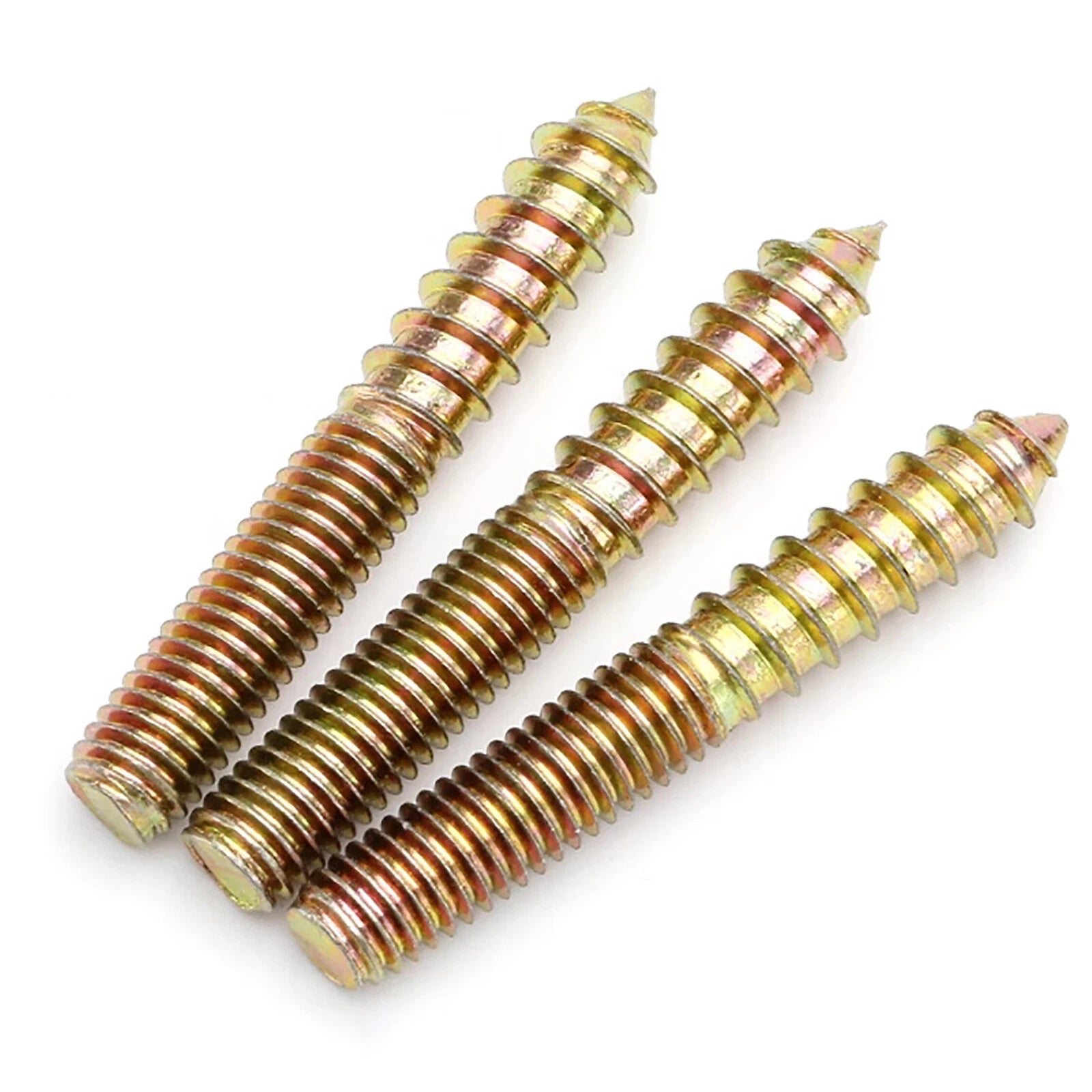
Hot-dip galvanized and zinc-plated hanger bolts are engineered for exterior structural applications where bare carbon steel would corrode rapidly. The zinc coating provides a sacrificial barrier against moisture and the alkaline chemistry of pressure-treated lumber — a combination that destroys uncoated fasteners within a single season. Use galvanized hanger bolts to connect wood pergola posts to steel base plates, attach wood ledger boards to metal structural members, and secure outdoor furniture frames to wood decking in exposed environments.
Large-Diameter Hanger Bolts M10–M16 for Structural Timber and Heavy-Duty Mounting
Heavy structural applications — post-and-beam timber connections, large outdoor furniture, commercial shelving systems, and industrial wood-to-metal assemblies — demand fasteners with enough shank diameter to resist the shear, withdrawal, and bending forces generated by real-world loads. M10 through M16 hanger bolts provide the cross-sectional area and thread engagement depth needed for structural-grade connections. Pair with heavy hex nuts, large-diameter washers, and structural-grade threaded inserts for maximum load capacity.
Double-Ended Hanger Bolts M3–M6 for Fine Furniture and Precision Woodworking
Small-diameter hanger bolts in M3, M4, M5, and M6 are the fastener of choice for fine furniture making, decorative hardware mounting, and precision woodworking where larger fasteners would split delicate wood or create an oversized footprint. Use them to attach decorative hardware to thin wood panels, mount small wood components to metal frames in lamp and lighting fixtures, and create invisible joints in jewelry boxes, display cases, and high-end cabinetry where fastener size and appearance are critical design constraints.
Frequently Asked Questions About Hanger Bolts
What are hanger bolts used for?
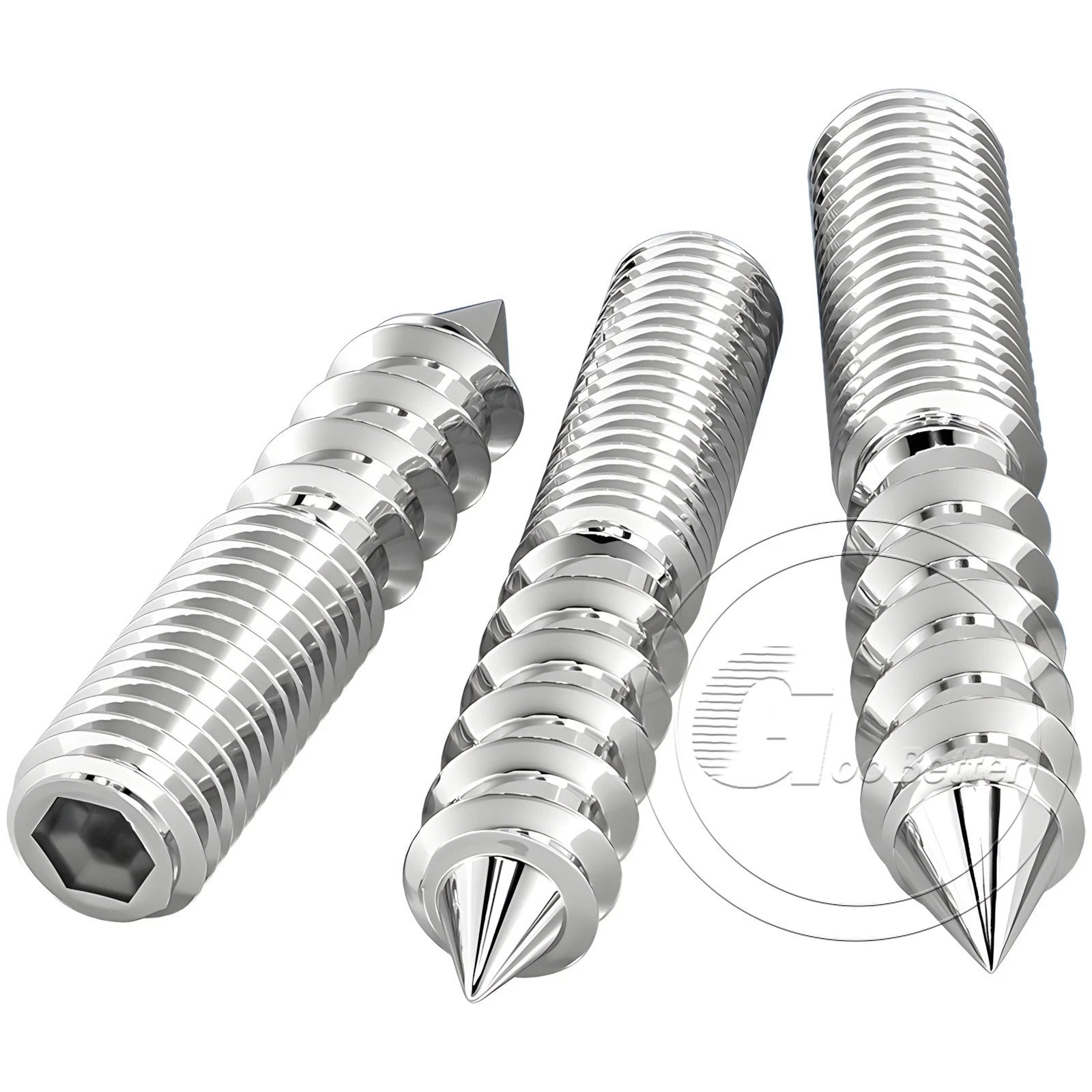
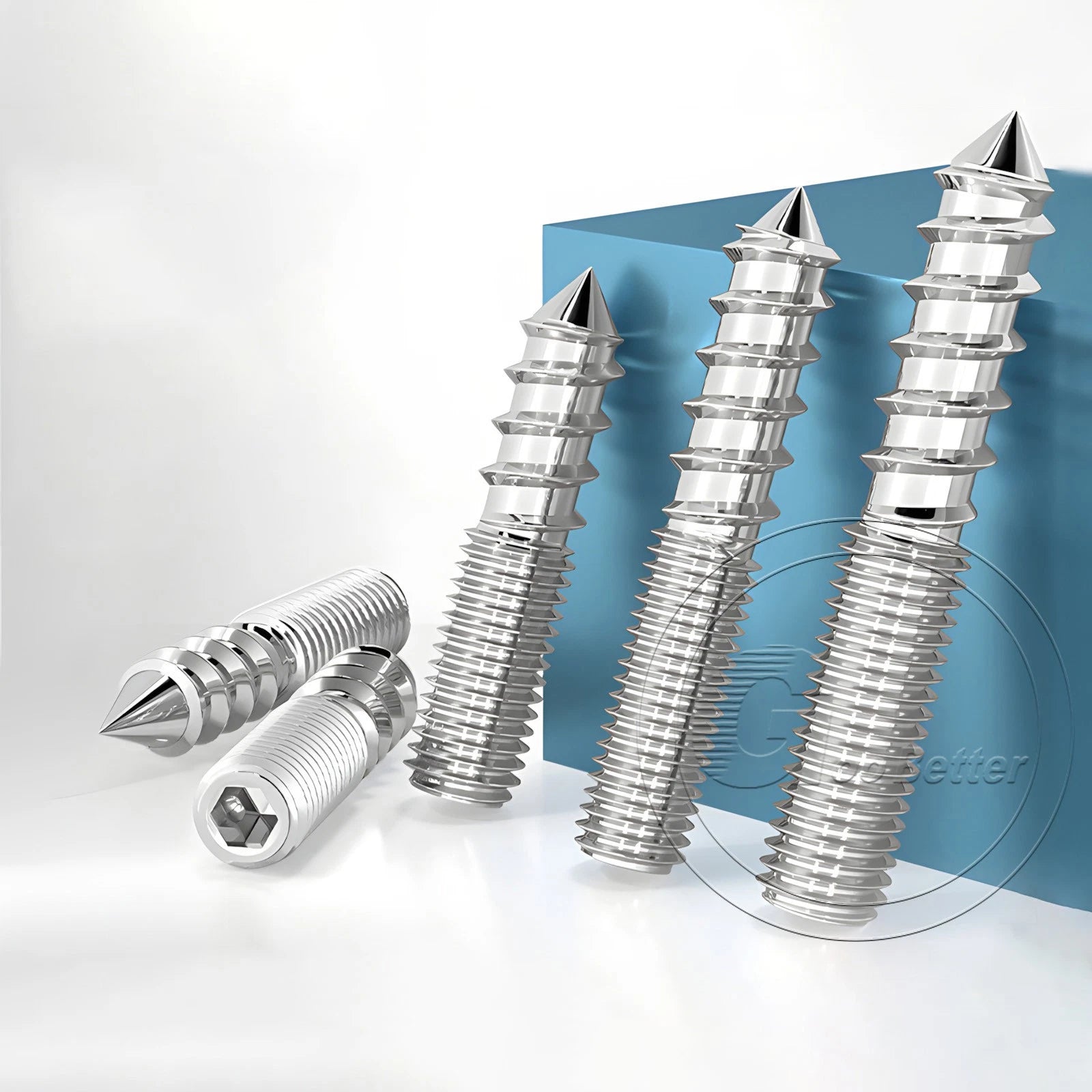
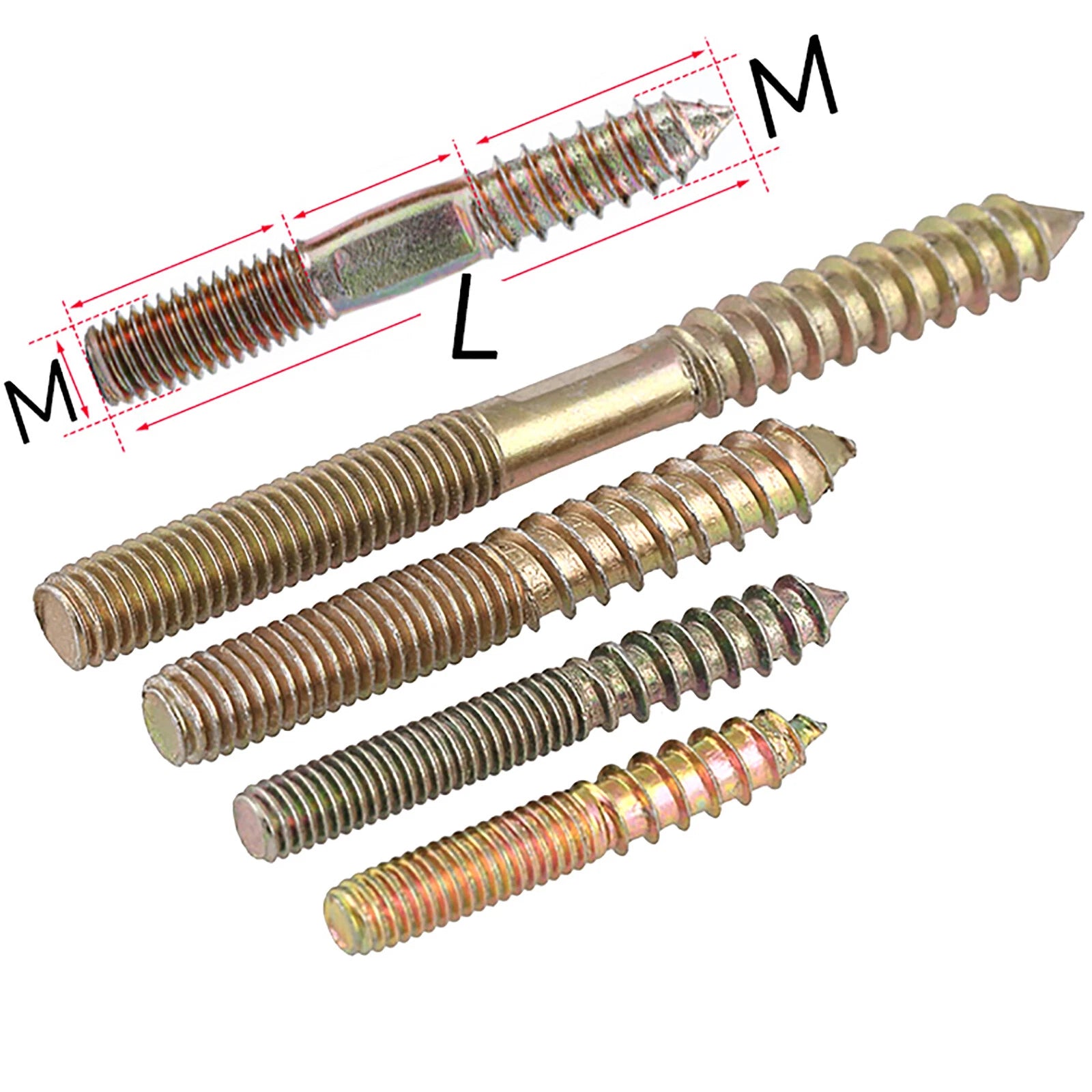
Hanger bolts are headless, double-ended fasteners with a wood-thread on one end and a machine-thread (metric or UNC) on the other. They are used to attach wood components to metal brackets, threaded inserts, or nuts — common applications include mounting furniture legs to metal frames, securing wood handrails to metal newel posts, attaching wood shelving to metal wall standards, and connecting wood structural members to steel hardware.
What is the difference between a hanger bolt and a dowel screw?
A hanger bolt has wood-thread on one end and machine-thread on the other, making it ideal for wood-to-metal connections where a nut or threaded insert is used on the machine-thread end. A dowel screw has wood-thread on both ends and is designed exclusively for wood-to-wood joints, such as joining furniture legs to aprons or connecting two wood members end-to-end.
Which material should I choose — stainless steel or galvanized?
304 stainless steel hanger bolts are the best all-around choice for indoor furniture and light outdoor use. 316 stainless steel is required for marine, coastal, or high-salt environments where chloride-induced corrosion is a concern. Galvanized carbon steel hanger bolts are a cost-effective option for protected outdoor applications and pressure-treated lumber connections where the zinc coating provides adequate corrosion resistance.
How do I install a hanger bolt without a head?
Thread two nuts onto the machine-thread end of the hanger bolt and lock them tightly against each other (double-nut method). Use a wrench on the outer nut to drive the wood-thread end into a pre-drilled pilot hole until fully seated. Then remove both nuts by spinning them in opposite directions. The machine-thread end remains exposed for attaching a bracket, nut, or threaded insert.
What pilot hole size do I need for a hanger bolt?
Drill a pilot hole approximately 85–90% of the hanger bolt's root (minor) diameter on the wood-thread end. For an M8 hanger bolt, a 6.5 mm pilot hole works well in hardwood; use 6 mm in softwood. For an M6 hanger bolt, try 5 mm in hardwood and 4.5 mm in softwood. Always test in scrap material first to confirm the fit before driving into your finished workpiece.
Can hanger bolts be used in both softwood and hardwood?
Yes. Hanger bolts work in both softwood and hardwood. In softwood (pine, cedar, spruce), the wood threads bite aggressively and holding strength is excellent with a properly sized pilot hole. In hardwood (oak, maple, walnut), a precise pilot hole is critical to prevent splitting. Applying a small amount of paste wax or soap to the wood-thread end reduces driving torque in dense hardwoods without compromising holding strength.
What sizes of hanger bolts does HomeDIYer carry?
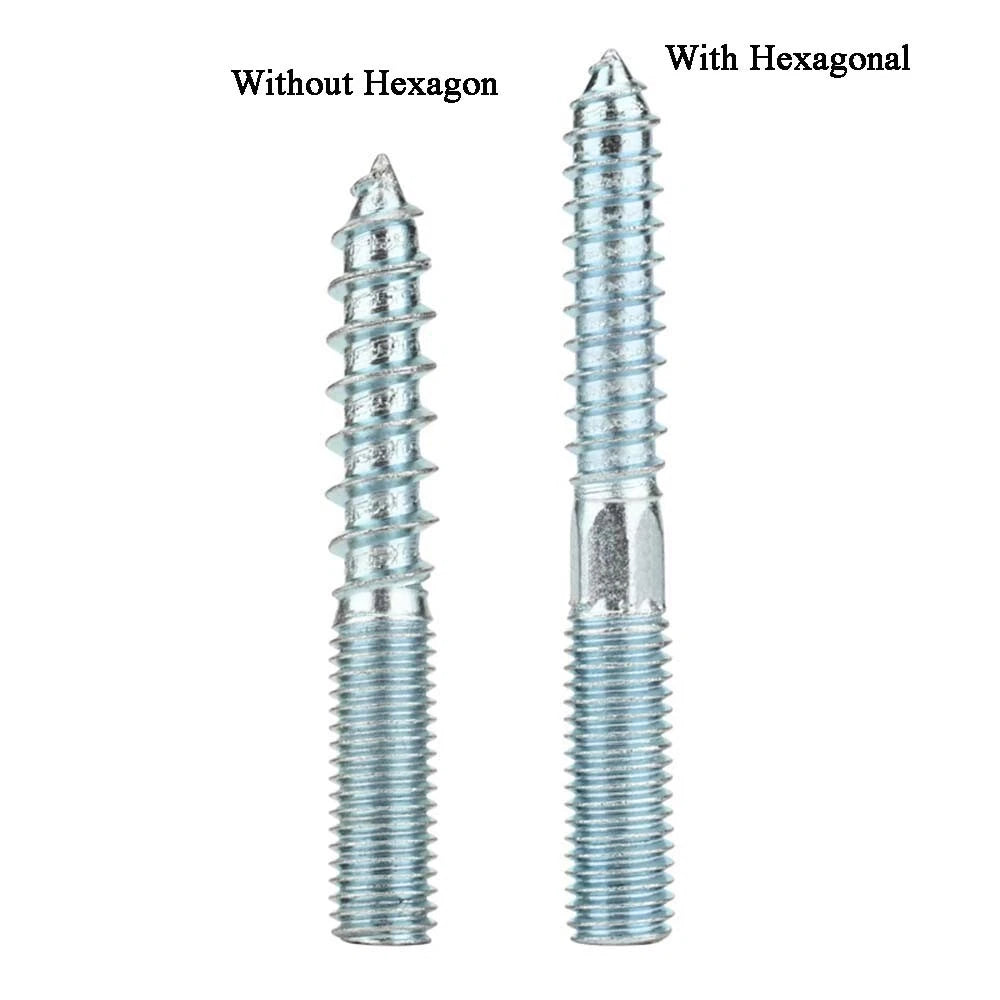
HomeDIYer stocks hanger bolts in metric sizes from M3 through M16, covering the most common furniture, structural, and mounting applications. Options include 304 stainless steel (M3–M12), 316 stainless steel (M6–M16), zinc-plated carbon steel (M6–M10), and galvanized steel. Torx-drive and standard configurations are available depending on the size.
How do I attach a furniture leg to a metal frame using hanger bolts?
Drill a pilot hole in the top center of the furniture leg to the depth of the wood-thread portion of the hanger bolt. Drive the wood-thread end into the leg using the double-nut method until fully seated. Pass the exposed machine-thread end through the mounting hole in the metal frame bracket, add a flat washer and lock washer, and tighten a nut to the specified torque. This creates a removable, re-tightenable connection that can be serviced without damaging the wood leg.
How do I remove a seized or stripped hanger bolt?
If the machine-thread end is accessible, thread two nuts onto it, lock them together, and use a wrench to back the bolt out counterclockwise. If the bolt is fully embedded in wood, apply penetrating oil and allow it to soak for 15–30 minutes to break any corrosion bond at the thread interface. Then use a screw extractor bit in a reversing drill to back it out. Avoid excessive force, which can split the surrounding wood.
Does HomeDIYer offer free shipping on hanger bolts?
Yes. HomeDIYer offers free standard shipping on qualifying orders. Check the current free-shipping threshold at checkout — multi-pack hanger bolt sets and assortments frequently meet the minimum in a single order, making it easy to stock up for your furniture build or structural project without paying extra for delivery.