Fall & Winter Home Improvement Supplies for Seasonal Protection
Fall and winter home improvement supplies help families prepare for colder air, shorter days, wet weather, indoor living, and the repairs that become more urgent when temperatures drop. This collection brings together door and window seals, screws, furniture leg caps, pipe components, gloves, storage tools, auto parts tools, and ladders for practical seasonal maintenance around the house, garage, workshop, and utility areas.
Fall & Winter Home Improvement Supplies for a Safer, More Comfortable Home
Use the change of season as a reminder to find drafts, tighten loose hardware, protect exposed openings, organize repair items, and check the equipment you may need during a storm, cold snap, or long weekend indoors. These products support focused repairs and preparation tasks. They can help you address small problems before they become more disruptive, but they are not a substitute for professional inspection when a home has structural, electrical, gas, heating, or serious plumbing concerns.
Fall & Winter Home Improvement Supplies by Repair Type
Fall & Winter Door and Window Seals for Draft Control
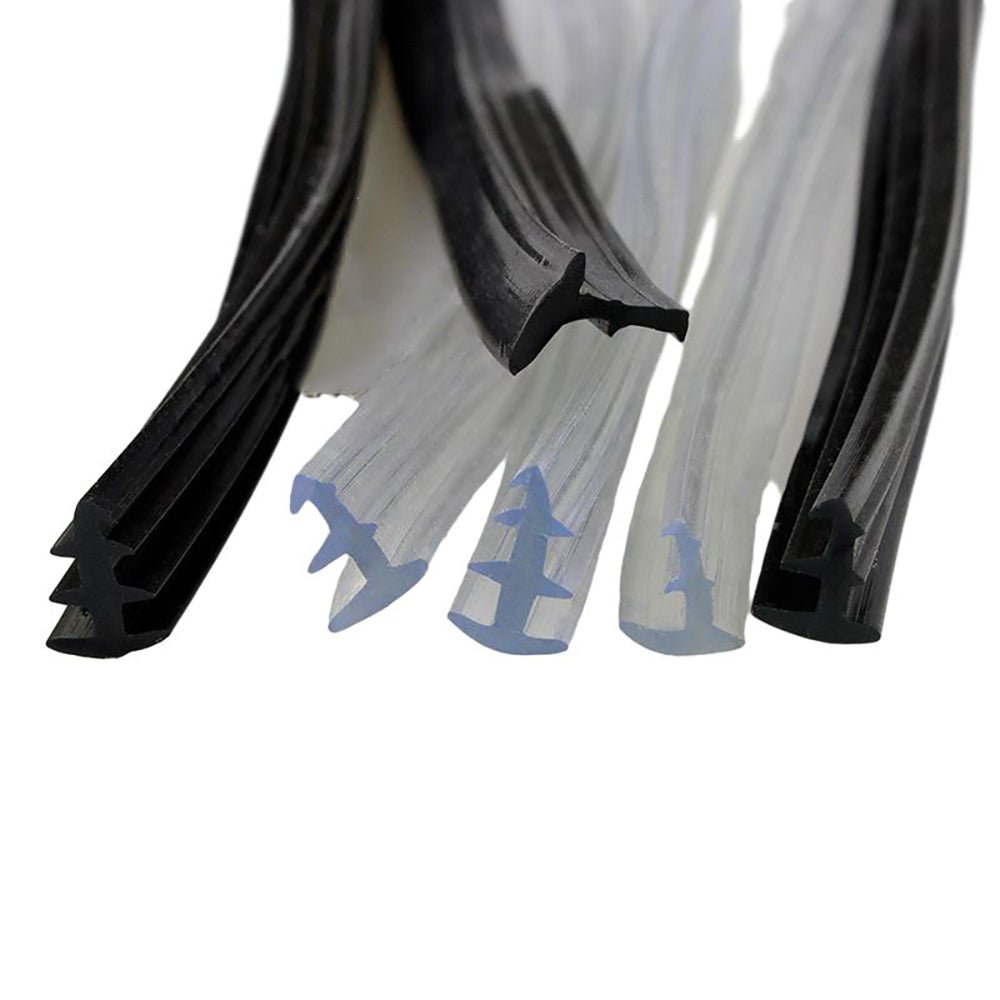
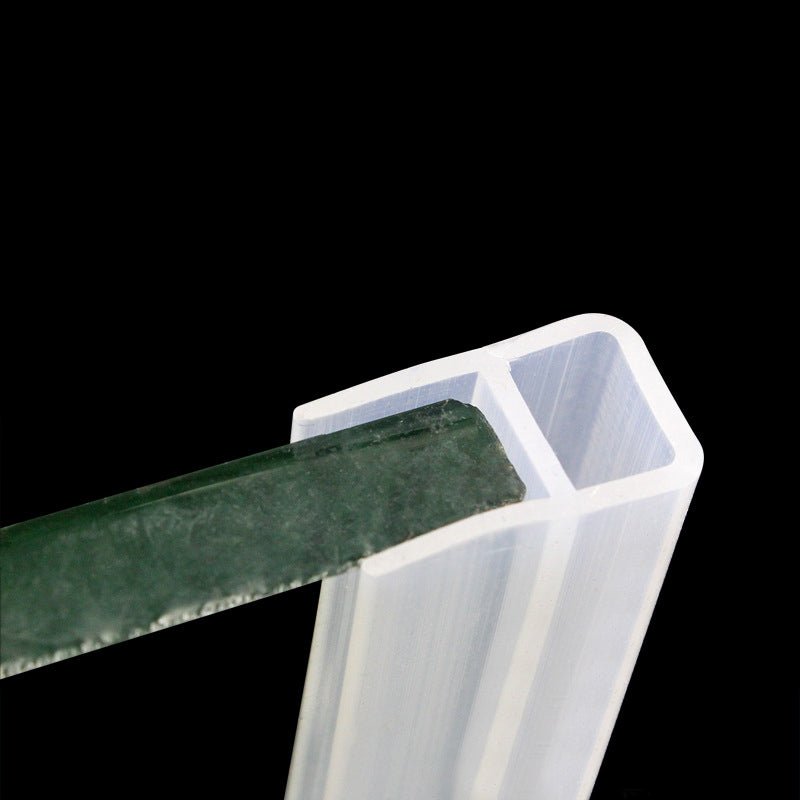
Door and window seals are one of the most direct ways to address visible gaps before winter. A worn seal around a frame, window panel, door edge, or threshold can allow cold air, dust, and outdoor moisture to move into the home. Replacing the correct profile can help improve contact between two surfaces and make rooms feel more consistent without replacing an entire door or window assembly.
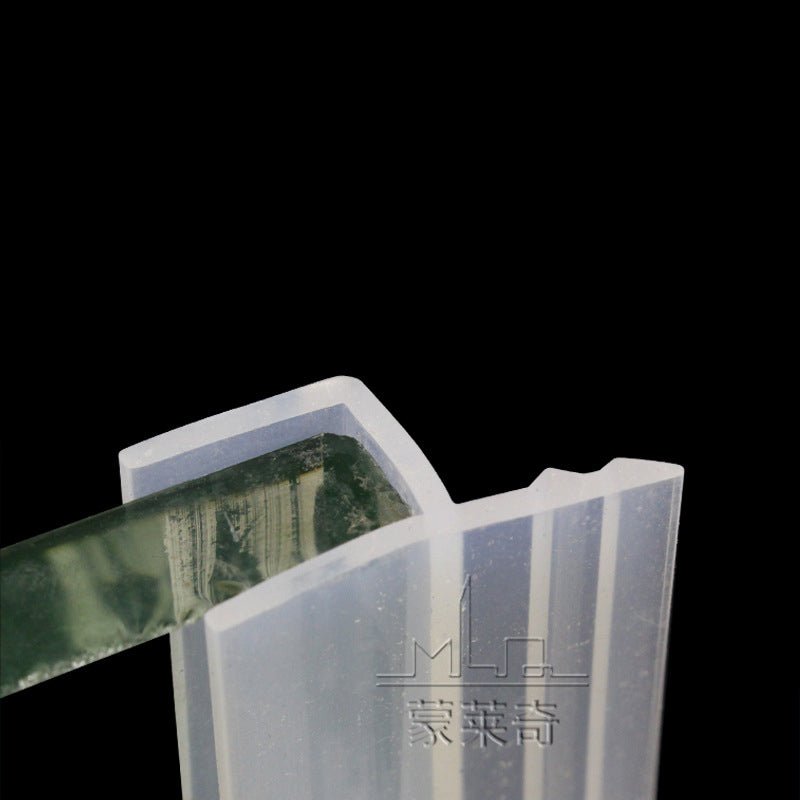
Start with a room-by-room inspection in early fall. Look for daylight around closed doors, movement in curtains near a window, loose or flattened weather stripping, cracked rubber, lifted adhesive, or a gap that is easy to feel with the back of your hand. Measure the width and depth at several points because older frames may not be perfectly even. A perimeter gap may need a flexible weather strip, while the lower edge of an entry door may need a bottom seal. A grooved wood frame may need a slot profile, and a glass panel may require a seal matched to its thickness.
Clean away dust, oil, old adhesive, and loose residue before applying an adhesive-backed strip. For a channel-mounted part, compare the existing groove with the profile. For glass, confirm the thickness and the edge location. A seal that is too thick may make a door difficult to close, while one that is too small may leave the cold-air path open. Careful measuring helps protect the home, the product, and the household routine.
Fall & Winter Screws and Fasteners for Home Repairs
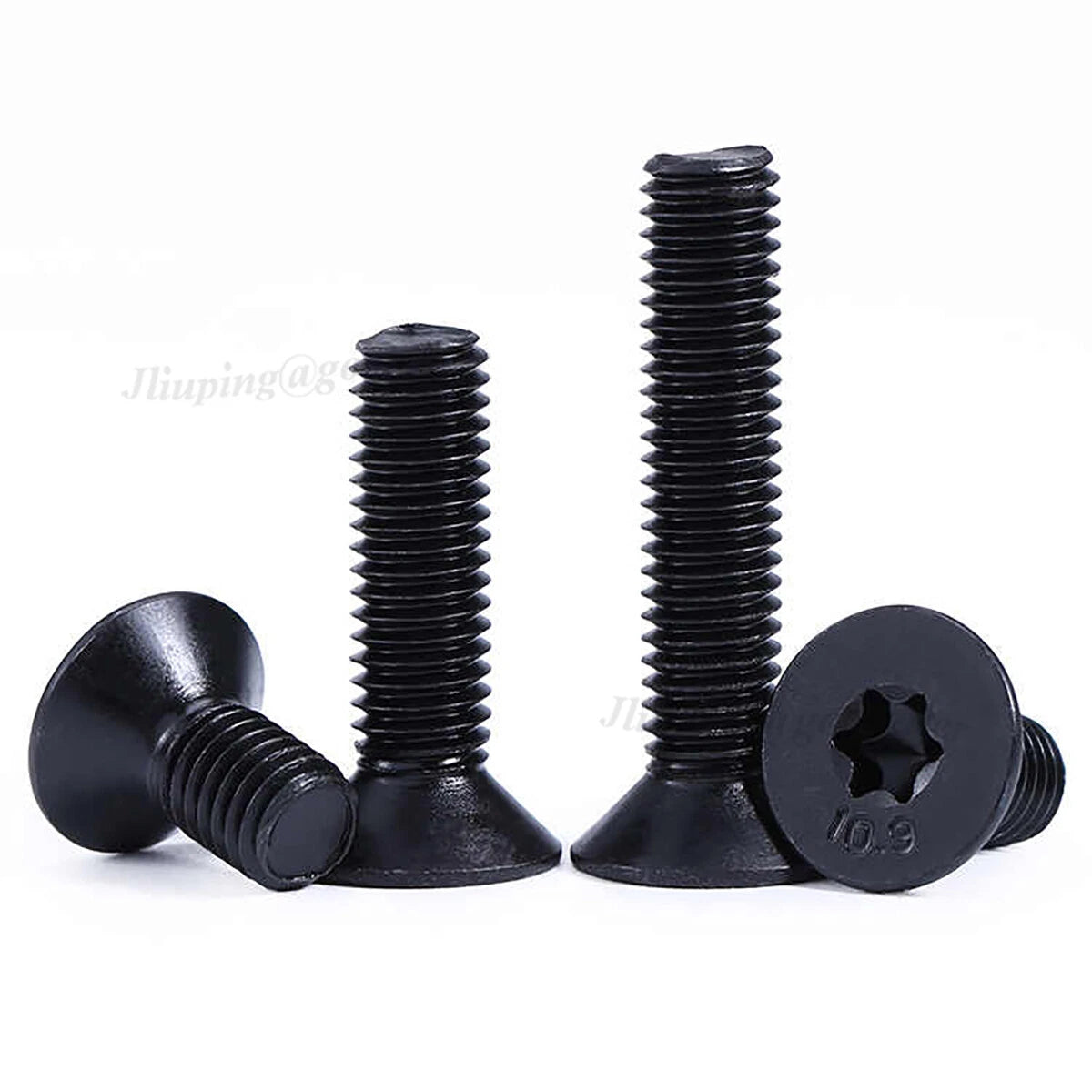
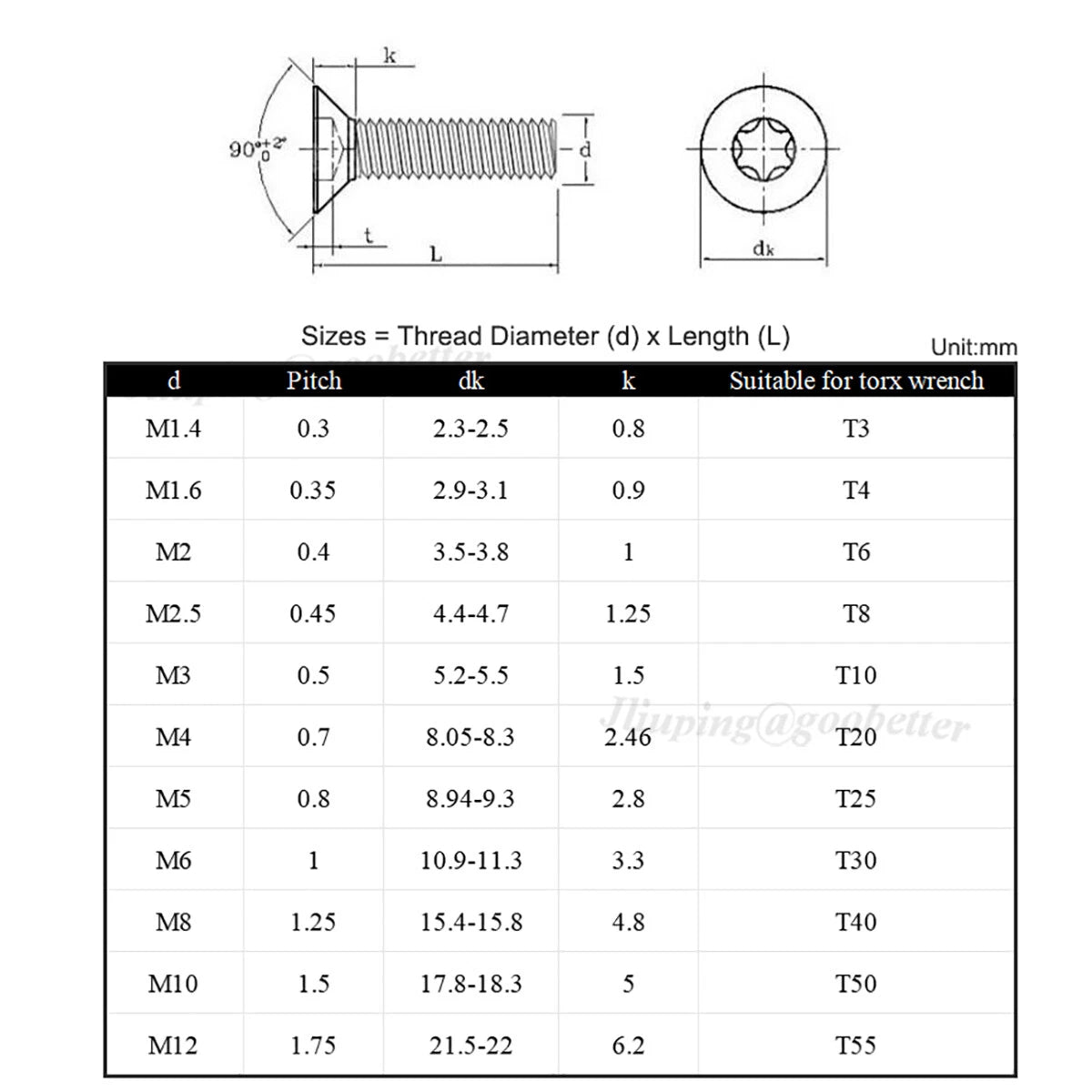
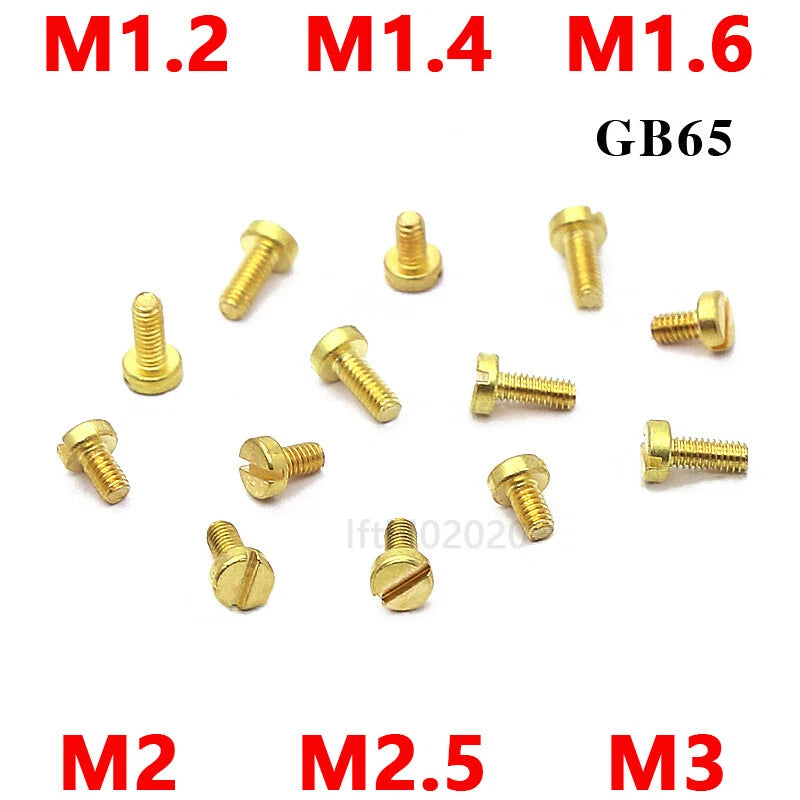
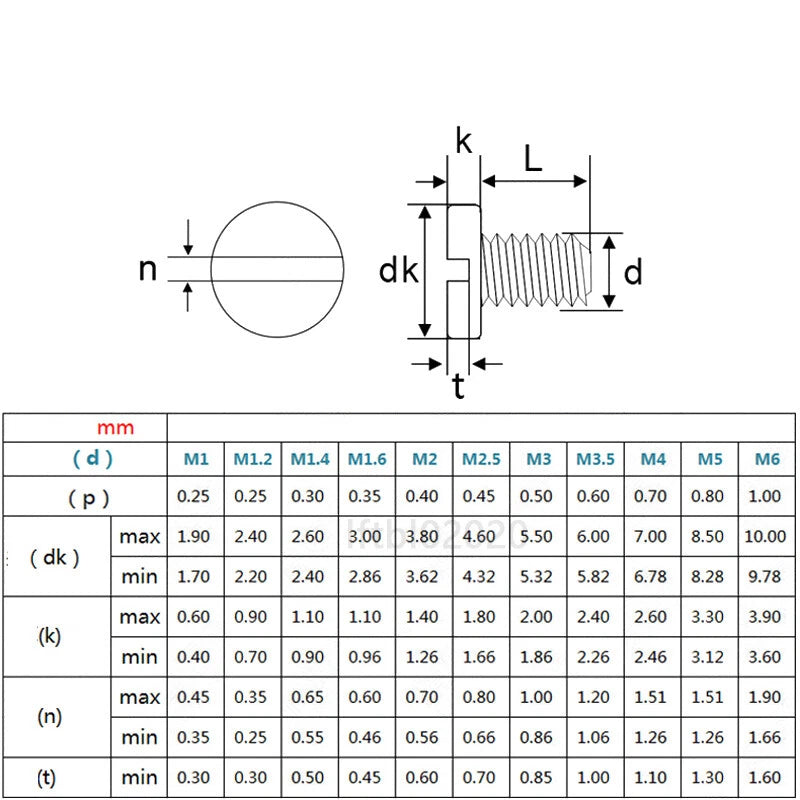
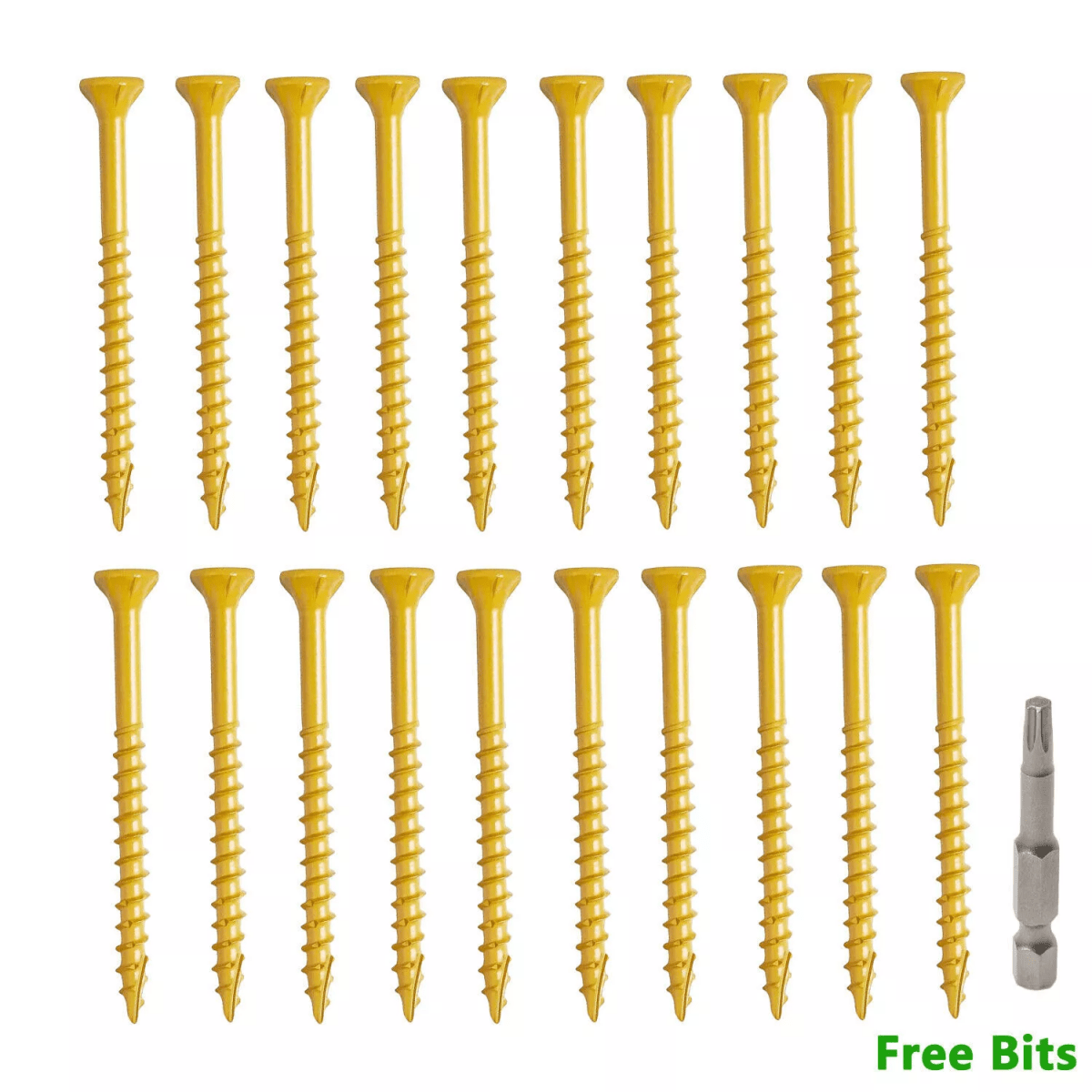
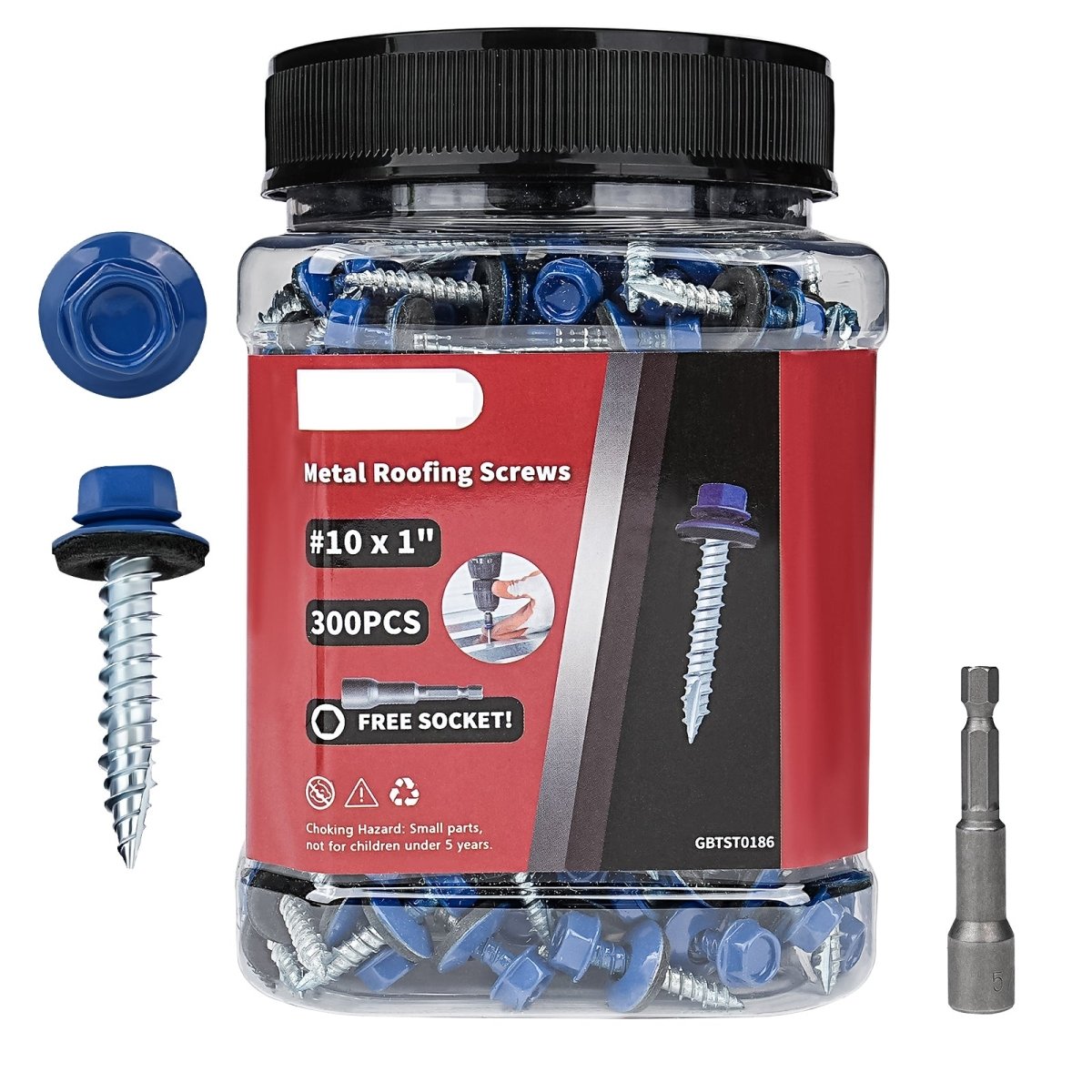
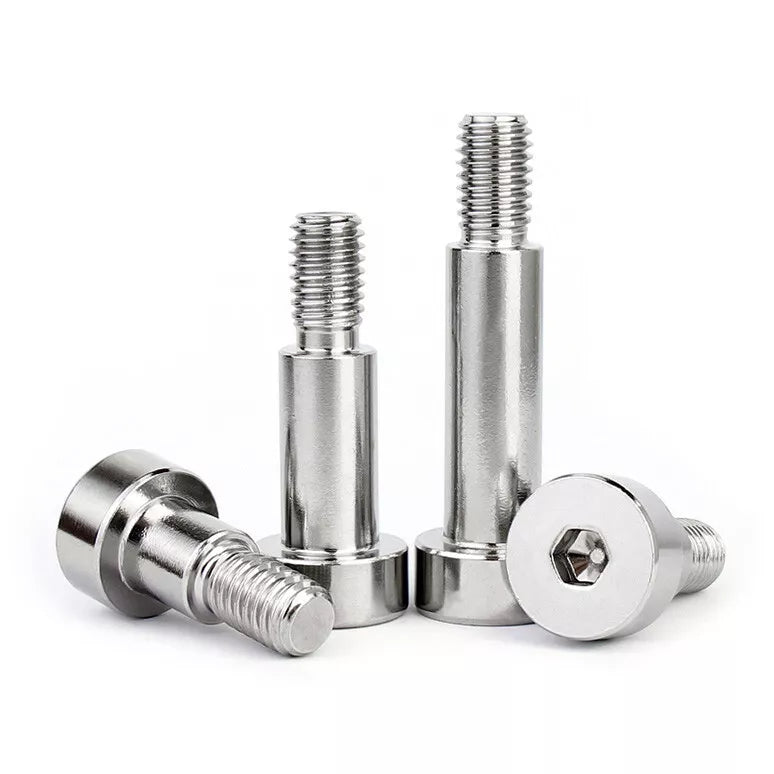
Screws and fasteners become especially useful in fall and winter when loose hardware, damaged fixtures, and small household repairs are easier to notice during indoor maintenance. The store carries metric screws, flat head screws, plastic screws, nylon screws, hex socket screws, stud screws, stainless steel screws, Phillips screws, wafer head screws, and Torx screws. These categories give homeowners and professionals more ways to match a fastener to a repair instead of forcing a random screw into place.
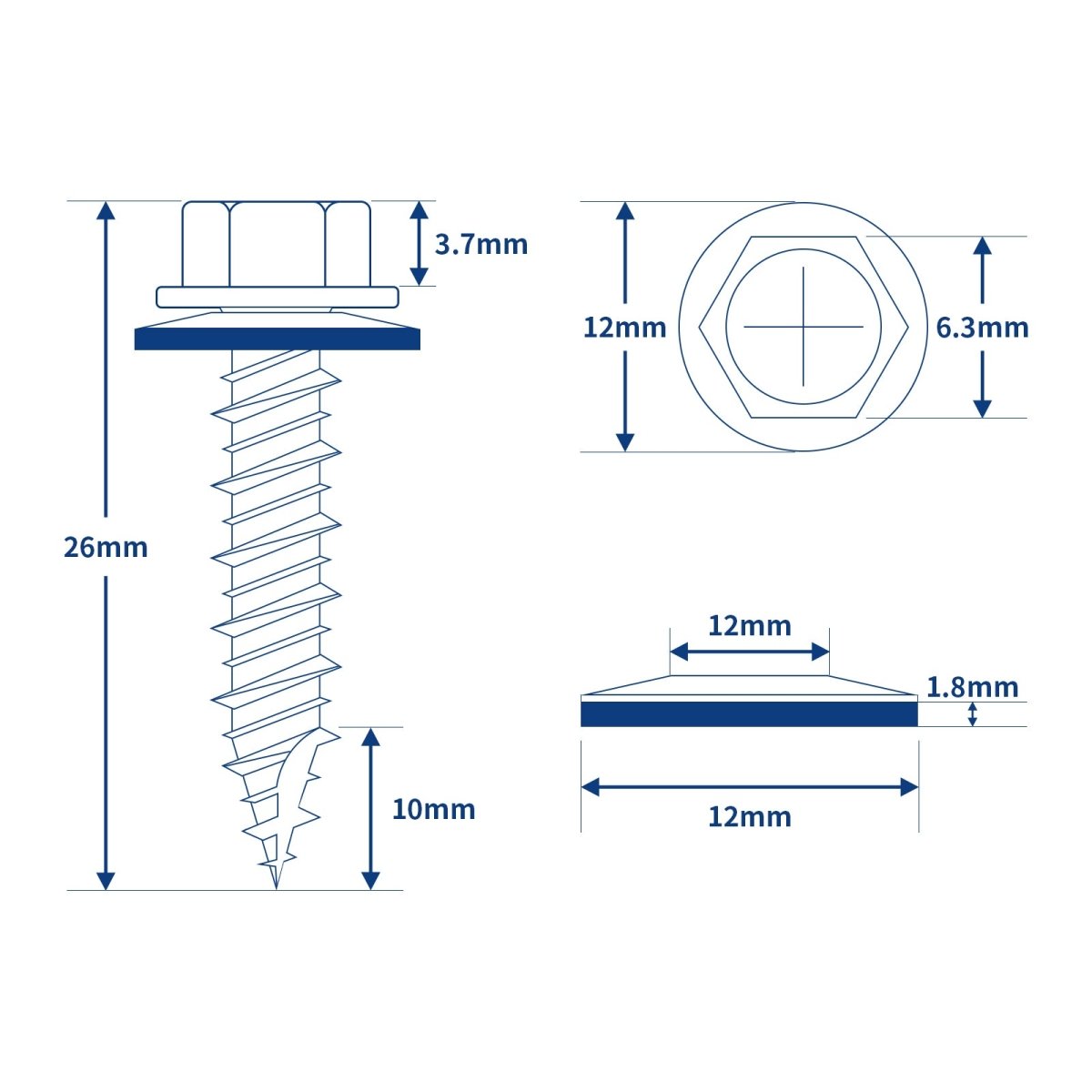
Before colder weather arrives, check handles, hinges, cabinet hardware, furniture joints, storage racks, panels, and other frequently used items for movement. Confirm the diameter, length, head style, drive type, thread, and material. Stainless steel may be considered where corrosion resistance matters, while nylon or plastic can suit projects that call for a nonmetallic fastener or lighter-duty assembly.
Use the correct driver and avoid stripping the head. The screw needs to hold the intended material without passing through an unintended surface. If the repair carries weight, supports a railing, or affects a safety-critical structure, follow the applicable instructions and get professional guidance. A seasonal hardware check is most useful when it prevents a small issue from becoming an emergency repair.
Fall & Winter Furniture Leg Caps for Floors and Indoor Living
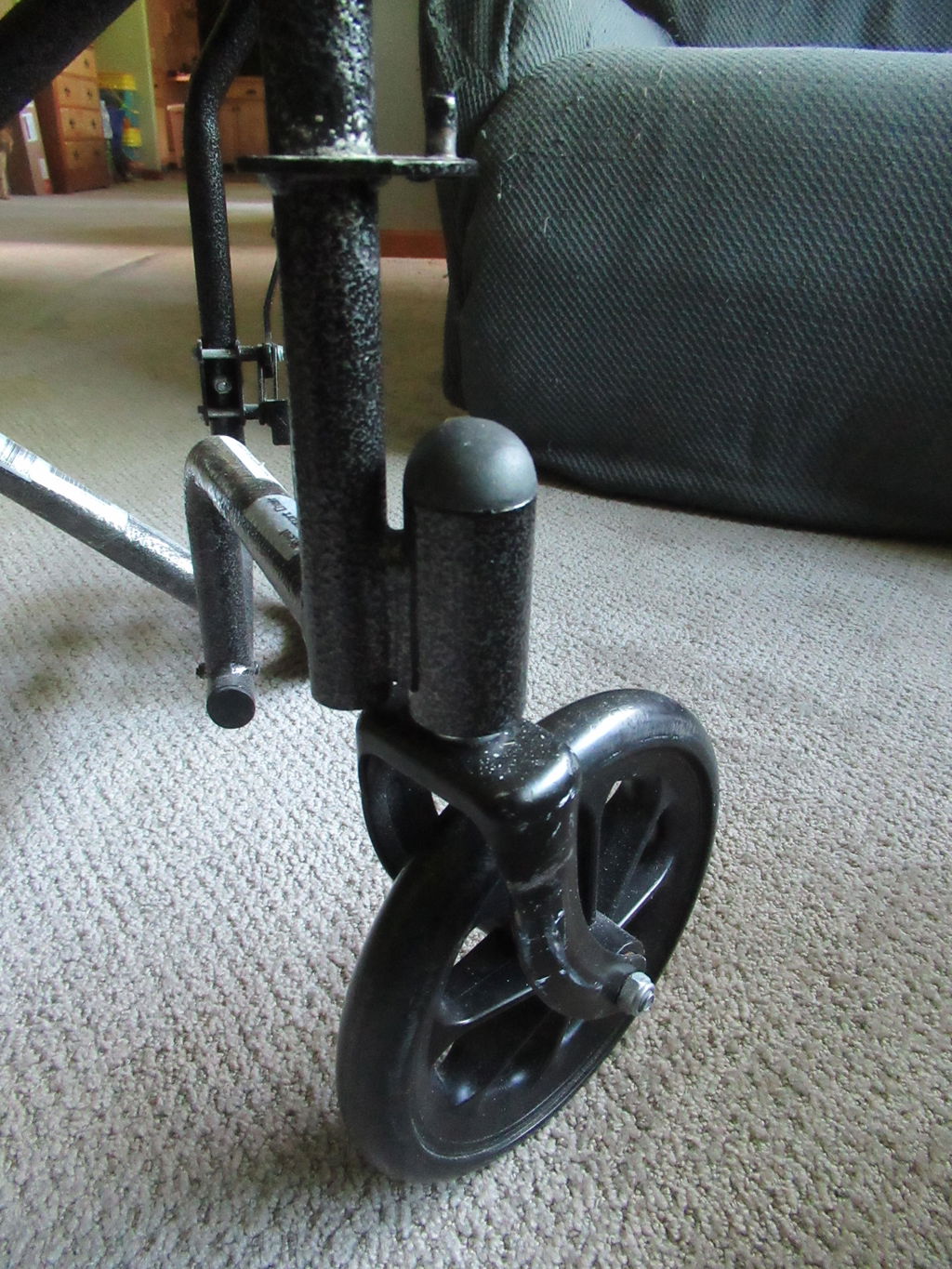
Furniture leg caps can help protect floors and furniture during the months when families spend more time indoors. Tables, chairs, cabinets, benches, and other pieces are moved, cleaned, rearranged, and used more frequently during fall and winter. A cap creates a buffer between the furniture leg and the floor, which can help reduce direct rubbing and give a worn or exposed leg a cleaner finished edge.
Check each leg before ordering. Identify whether it is round, square, angled, hollow, or irregular, then measure the outside dimensions or the inside opening needed for a secure fit. A cap that is too loose may slide off as the furniture moves. One that is too tight may split or become difficult to install. Seasonal cleaning is also a good time to inspect caps for cracks, flattening, slipping, or uneven wear.
Furniture leg caps work well as part of a broader fall and winter home check. If a loose leg also needs a screw, complete that repair before fitting the cap. Use gloves when handling rough wood or metal, lift furniture with care, and work on a clean, level surface. These products support everyday maintenance but do not replace a structural furniture repair.
Fall & Winter Pipe Caps for Seasonal Maintenance and Protection
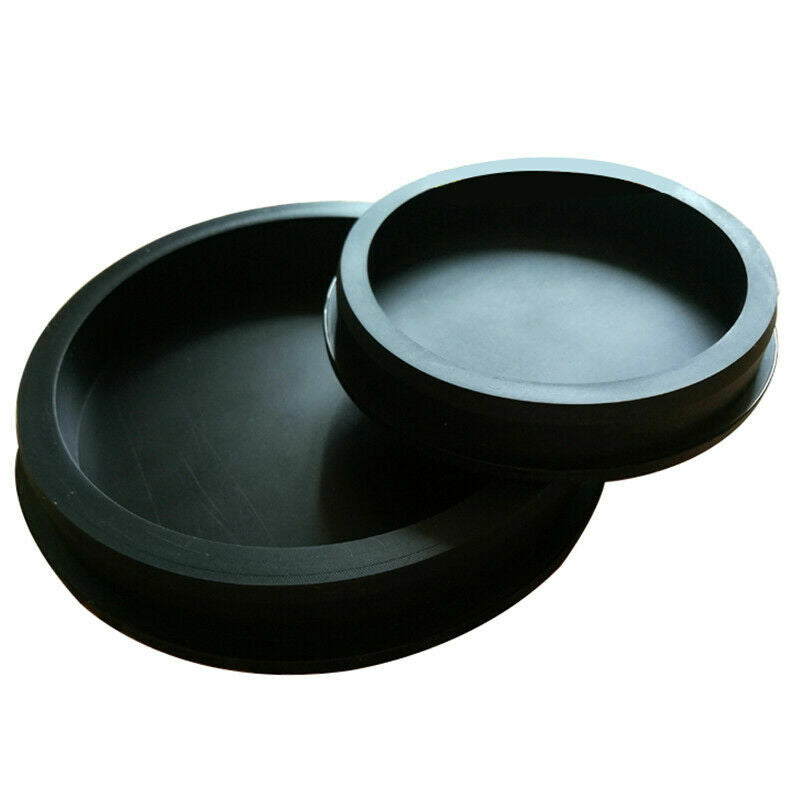
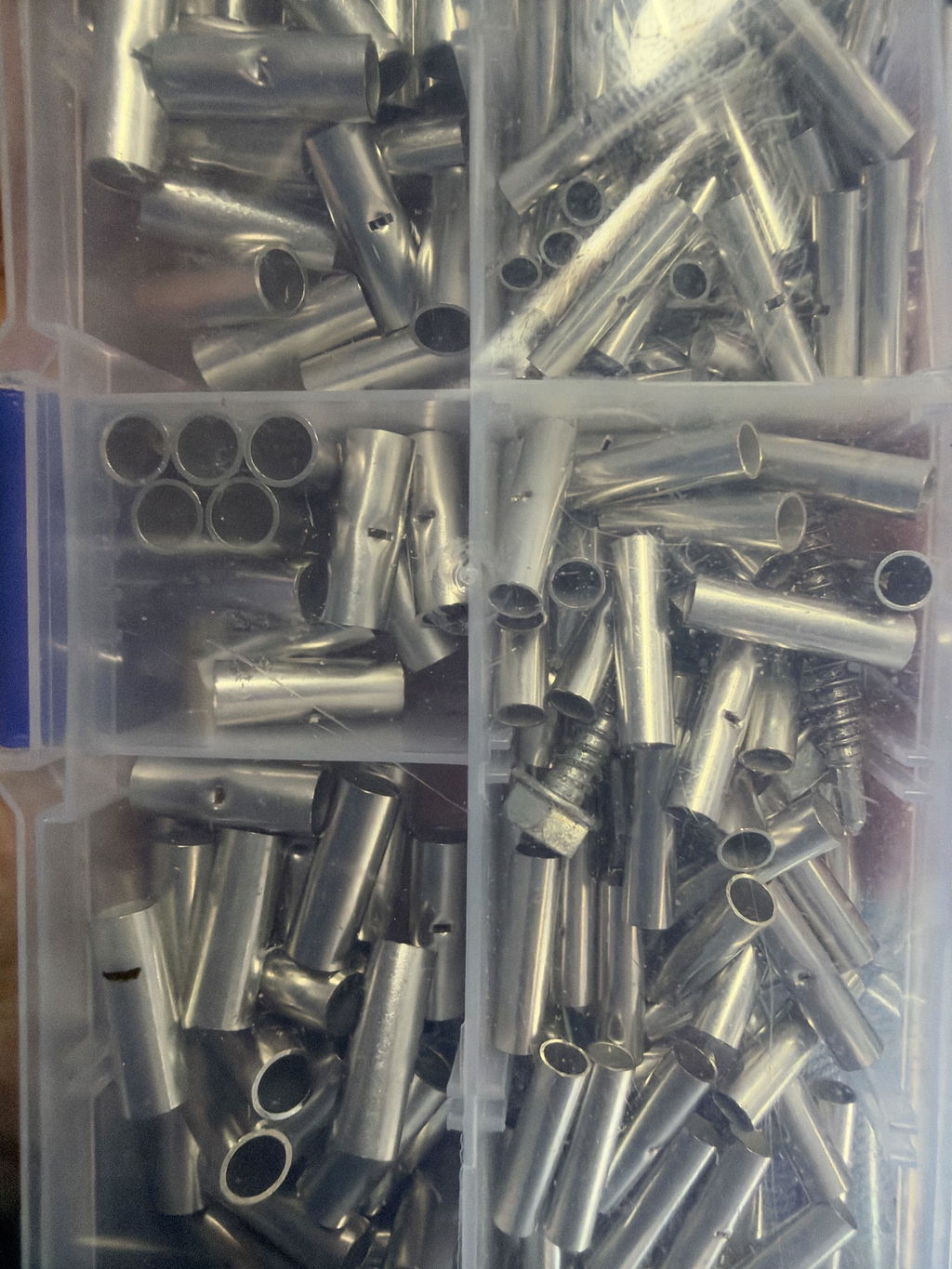
Pipe products, pipe caps, and pipe end caps can support seasonal maintenance in workshops, utility spaces, furniture projects, plumbing-related repairs, and tubing assemblies. Before winter, exposed tube ends and unfinished openings may collect dirt, moisture, or debris. A correctly matched cap can cover an opening, protect an edge, or give a project a cleaner finish while you complete the next stage of the repair.
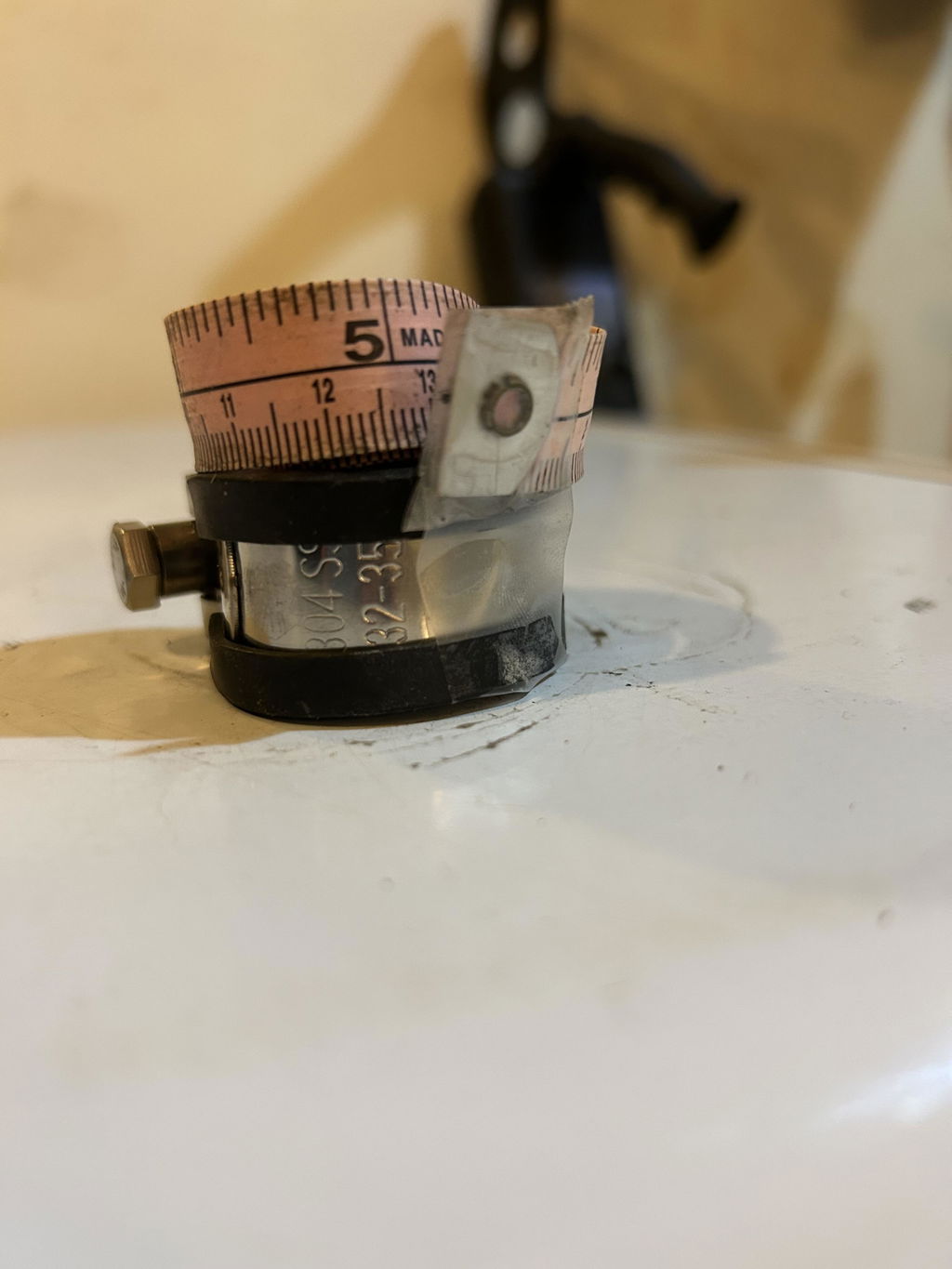
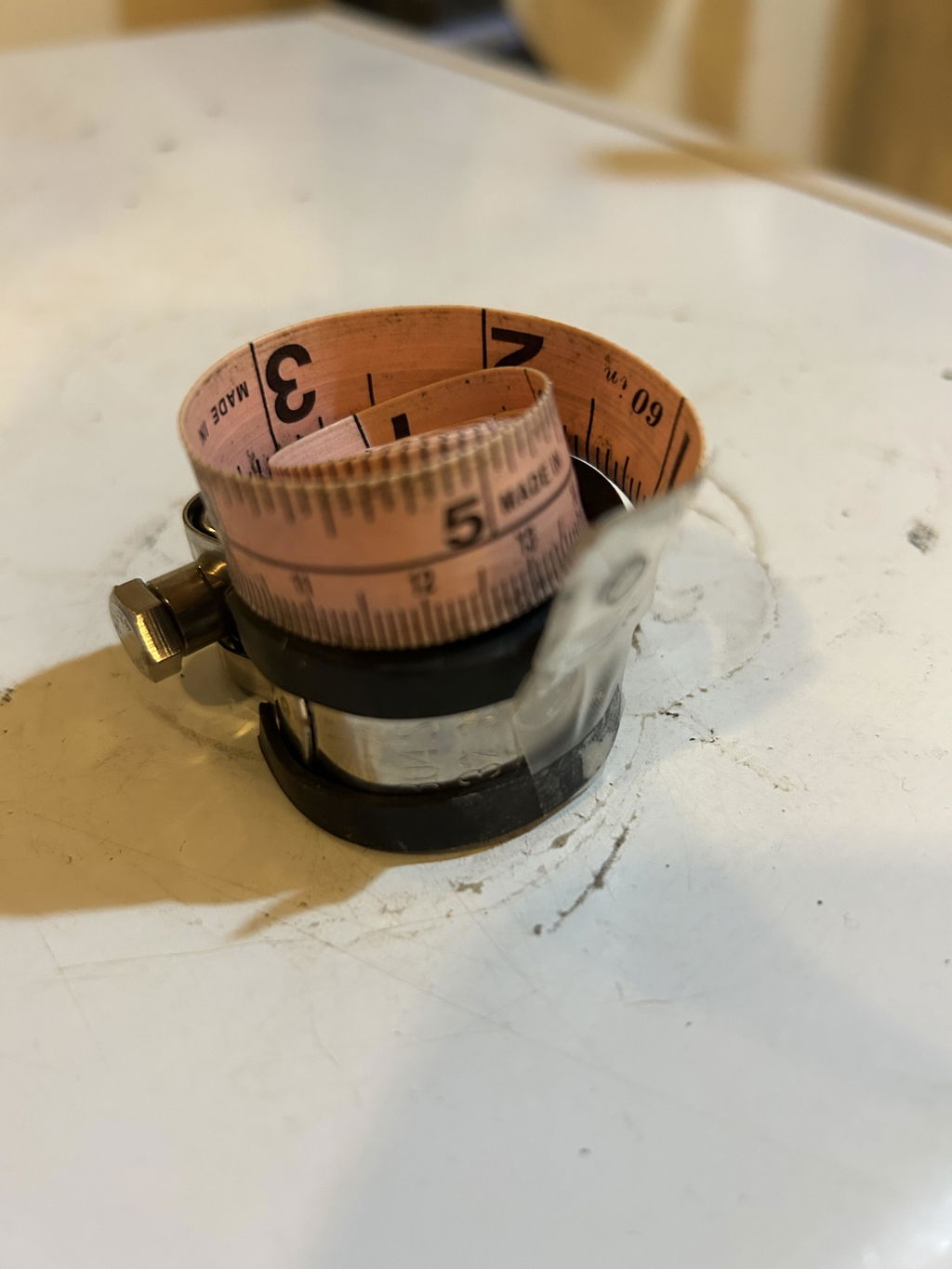
Measure the actual pipe before choosing a component. Depending on the product, the important dimension may be the outside diameter, inside diameter, wall thickness, or receiving opening. Identify whether the part should push into the tube, fit over the outside, thread into a connection, or remain removable. Similar nominal labels do not always produce the same fit, especially when pipe materials and standards differ.
Cold weather makes it important to distinguish a simple protective cap from a component intended for pressure, flow, heat, or code-sensitive service. Keep the pipe end clean and free of burrs, and never force a cap onto a damaged or distorted tube. For pressurized plumbing, gas, heating, structural work, or a risk of freezing, use professional guidance.
Fall & Winter Storage Tools and Ladders for Home Access
Storage tools and ladders help families prepare for seasonal work by keeping repair supplies visible and making necessary areas easier to reach. Storage tools can organize screws, caps, seals, gloves, drivers, and spare components in a garage, basement, utility room, or workshop. Ladders can provide access for approved maintenance around upper cabinets, trim, storage areas, fixtures, and other places that cannot be reached safely from the floor.
Before the busy winter season, sort small parts by type and size. A labeled storage system makes it easier to find a matching screw or replacement cap when a draft, leak, or loose fitting needs attention. Keep rubber, adhesives, and metal components away from unnecessary heat and moisture. Do not store sharp tools where they can cut a seal or glove.
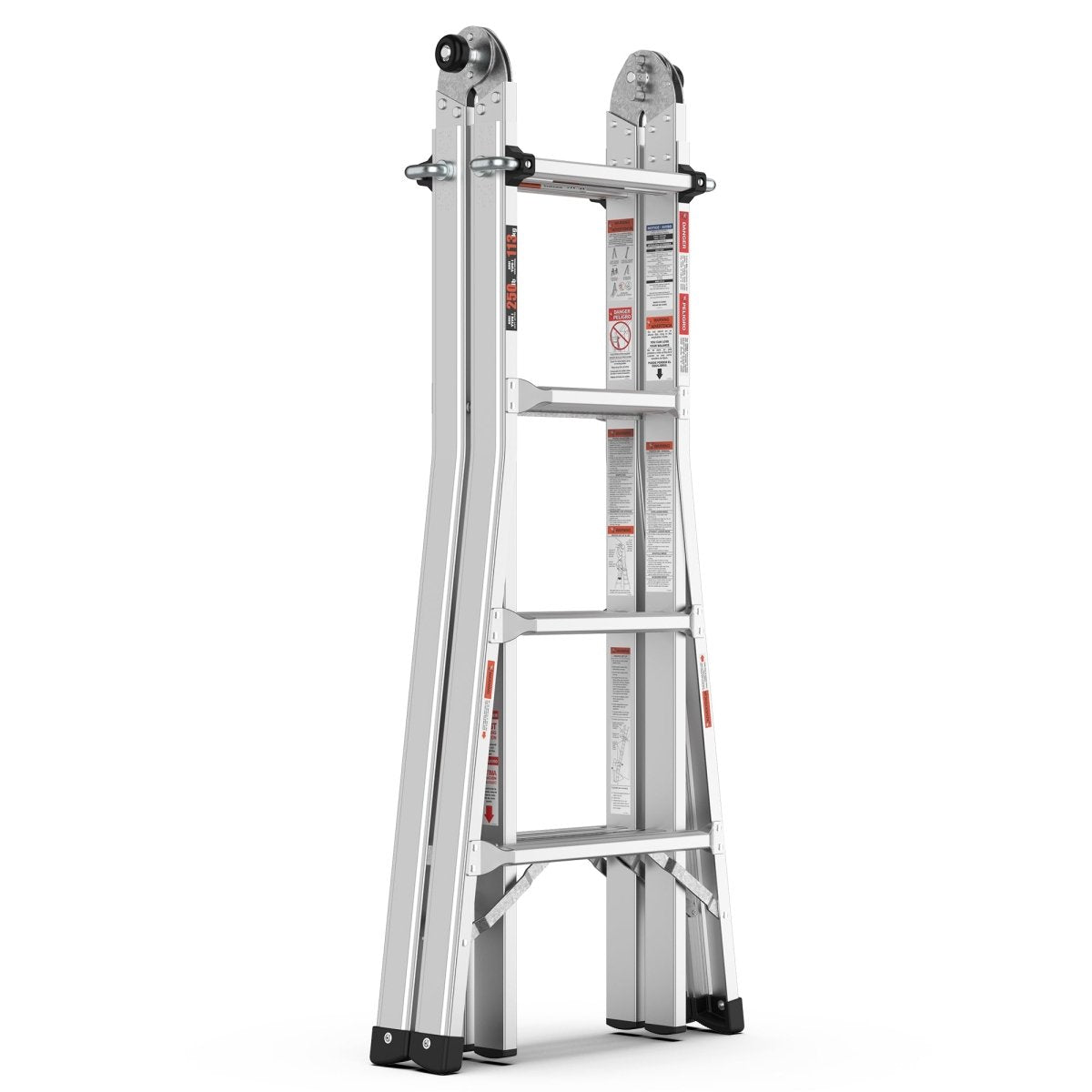
Inspect a ladder before every seasonal use. Check the feet, steps, hinges, rails, locking parts, and labels. Place it on firm, level, dry ground, keep the work area clear, face the ladder while climbing, and maintain three points of contact. Do not climb with bulky materials in both hands or use a ladder in conditions that make the surface slippery.
Fall & Winter Auto Parts Tools and Gloves for Garage Safety
Auto parts tools and gloves extend seasonal preparation into the garage and workshop. Colder weather can increase the importance of checking trailers, vehicles, lawn equipment, storage hardware, and other equipment before use. Auto Parts Tools can support vehicle-related tasks, component removal, fastener work, and general service projects. Gloves can provide a practical barrier when handling rough materials, dirt, metal edges, hardware, or tools.
Choose an auto parts tool for the actual fastener or component. Check the drive, opening size, reach, clearance, and compatible part before starting. Do not use a general hand tool as a substitute for a tool designed to control a spring, pressurized part, rotating component, or heavy assembly. When a repair affects brakes, steering, lifting points, fuel, electrical systems, or another safety-critical function, follow service information and use qualified help.
Gloves should fit the task and still allow control of small parts. Keep a clean, dry pair available for assembly work and separate heavily soiled gear from stored household supplies. Wipe salt, water, and grime from metal tools after winter garage work, then store them dry. The right tool, protective equipment, and an organized workspace can help a family complete seasonal maintenance with less improvisation.
Fall & Winter Maintenance Tips for Home Improvement Supplies
Run through this quick checklist each season: inspect door and window seals for cracks, lifting edges, flattened sections, and visible gaps; check screws and fasteners for rust, looseness, stripped heads, or missing pieces; inspect furniture leg caps for splits, slipping, or uneven wear; look at pipe caps and end fittings for movement, dirt, moisture, or damage; clean and reorganize storage tools so seasonal parts remain easy to identify; inspect ladder feet, steps, hinges, locks, and rails before use; check gloves for holes, worn palms, and damaged seams; and review auto parts tools for corrosion, bent components, worn grips, or missing attachments.
In early fall, walk through the home during daylight and look for gaps around exterior doors and windows. Close each door and window normally, then check for visible light, loose contact, or a moving draft. Clean channels and surfaces before installing a replacement seal. Do not apply an adhesive-backed strip over dust, oil, condensation, or loose paint. If a door becomes difficult to close after installation, stop and recheck the profile instead of forcing the hardware.
Before winter moisture arrives, check pipe ends, outdoor work areas, storage bins, and metal tools. Wipe away water and dirt, protect parts from unnecessary exposure, and keep rubber, foam, adhesives, and plastic components within their product instructions. Cold temperatures can make some flexible materials feel less pliable, while sunlight and heat can age them over time.
Prepare a small seasonal repair station with commonly used screws, seals, gloves, measuring tools, and a labeled organizer. Keep the kit accessible but away from children and moisture. If a part no longer fits, do not force it. Recheck the measurement, thread, profile, or opening size. For ladders, auto parts tools, heating systems, fuel, electricity, gas, structural work, or serious plumbing problems, follow the instructions and use qualified professional help.
These products can help a household stay ready for ordinary maintenance, but home protection is a system. Good results also depend on safe habits, working smoke and carbon monoxide alarms, proper heating-system service, clear exits, protected pipes where appropriate, and timely professional attention when a problem is beyond a simple repair.
Frequently Asked Questions About Fall & Winter Home Improvement Supplies
How can home improvement supplies help prepare a home for fall and winter?
They can support seasonal tasks such as checking door and window gaps, replacing worn seals, securing loose hardware, protecting exposed pipe ends, organizing emergency repair supplies, and setting up safer access for maintenance. Select each item for the actual repair rather than treating one product as a complete home-protection system.
Which products help reduce drafts before winter?
Door and window seals are the most directly relevant products for visible gaps around frames, glass, door edges, and thresholds. Measure the gap and choose the correct profile, material, and installation method before applying a weather strip or sealing component.
What should I check before buying screws for a fall or winter repair?
Check the screw diameter, length, head style, drive type, thread pattern, material, and the surface being fastened. Stainless steel, metric, Phillips, Torx, hex socket, flat head, nylon, and other screw types are suited to different repair conditions.
How can pipe caps help with seasonal maintenance?
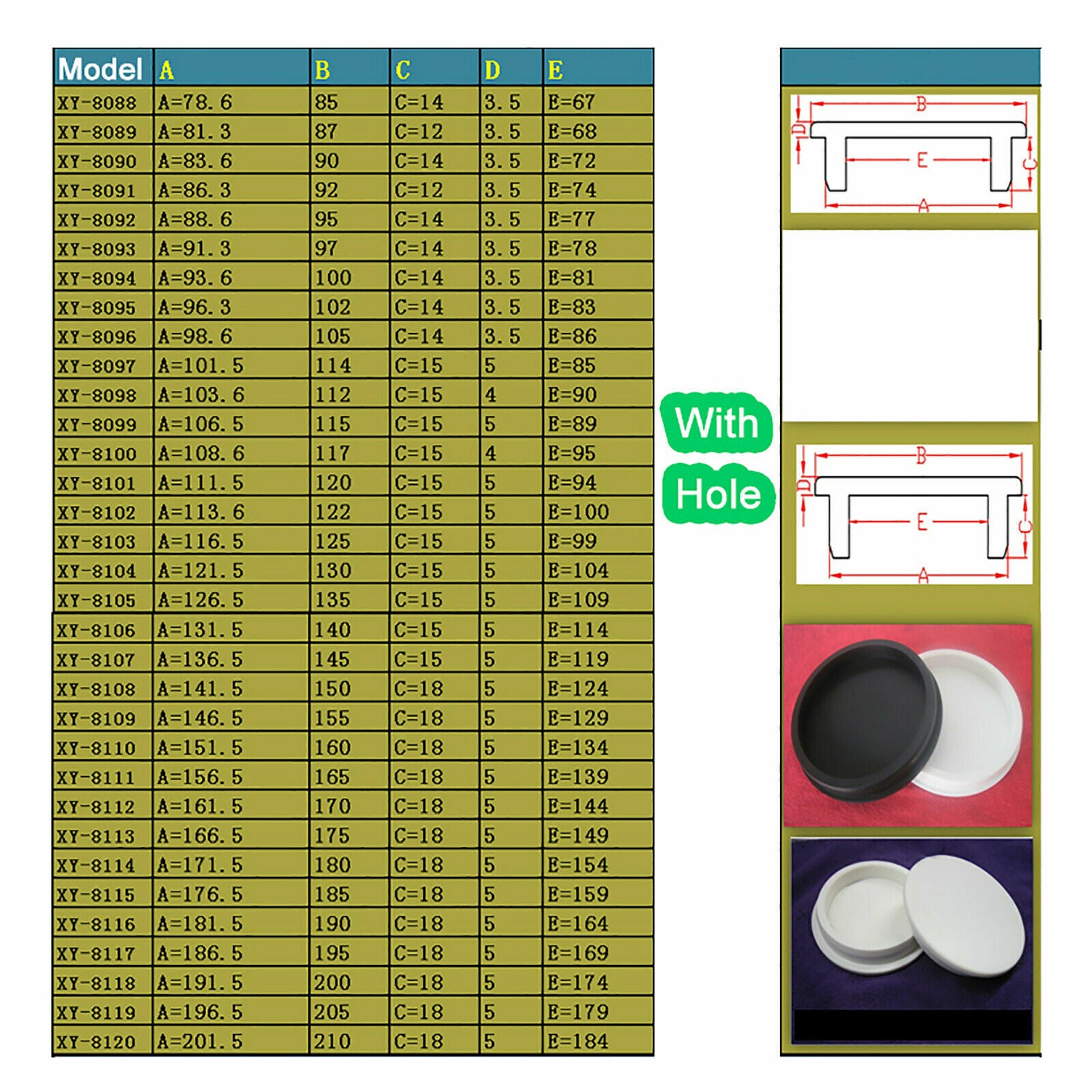
Pipe caps and pipe end caps can cover exposed tube or pipe ends, help keep dirt out of an opening, and finish a workshop, furniture, or maintenance project. Confirm the actual diameter, material, and connection style. They are not a substitute for an engineered solution on a pressurized or code-sensitive system.
How do furniture leg caps help during the colder months?
Furniture leg caps create a buffer between furniture legs and flooring, which can help limit direct rubbing and make furniture easier to maintain when indoor routines change during fall and winter. Match the cap to the leg shape and dimensions and check that it stays secure.
What should I inspect on ladders before winter home maintenance?
Inspect ladder feet, steps, hinges, rails, locks, and labels before use. Set the ladder on firm, level, dry ground, maintain three points of contact, and avoid reaching beyond a stable position. Do not use a ladder in unsafe weather or on an unstable surface.
How should gloves and auto parts tools be stored for winter work?
Store gloves clean and dry, keep metal tools away from unnecessary moisture, wipe off salt or grime after garage work, and inspect tools for corrosion, bent parts, worn grips, or missing attachments. Use storage tools to keep seasonal repair items visible and separated.
Can these products protect my home from every winter problem?
No single product can protect a home from every winter condition. These supplies can support specific maintenance tasks, but serious leaks, frozen plumbing, structural damage, electrical issues, gas systems, heating problems, and other safety-critical concerns require the appropriate professional assessment.
Are these fall and winter supplies suitable for beginners?
Many are suitable for beginners when the project is measured carefully and product instructions are followed. Start with a limited repair, gather the correct tools and protective equipment, and get qualified help when the work involves structural, electrical, gas, fuel, lifting, or other safety-critical systems.